

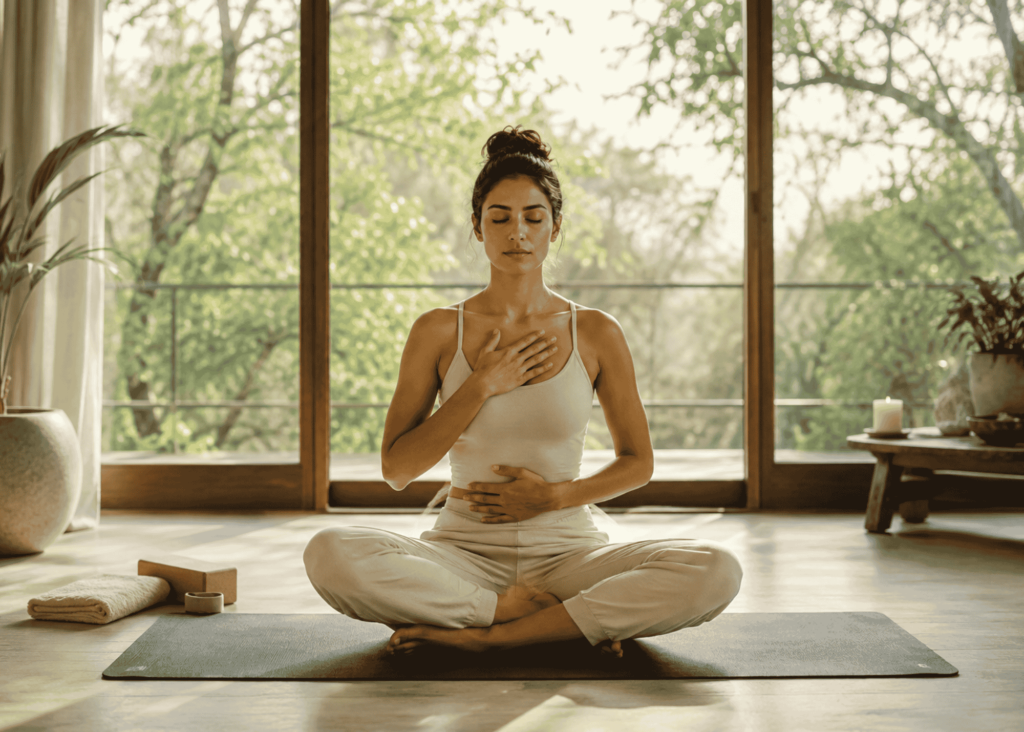
Yoga for Anxiety: Gentle Practices to Help You Feel Calm and Grounded
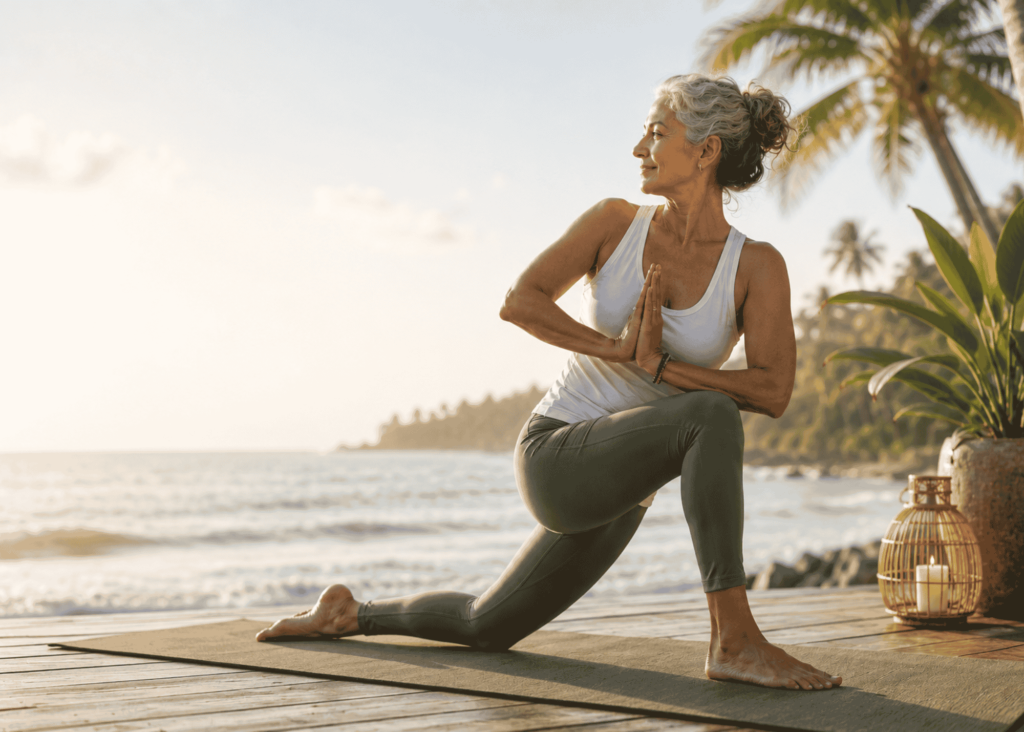
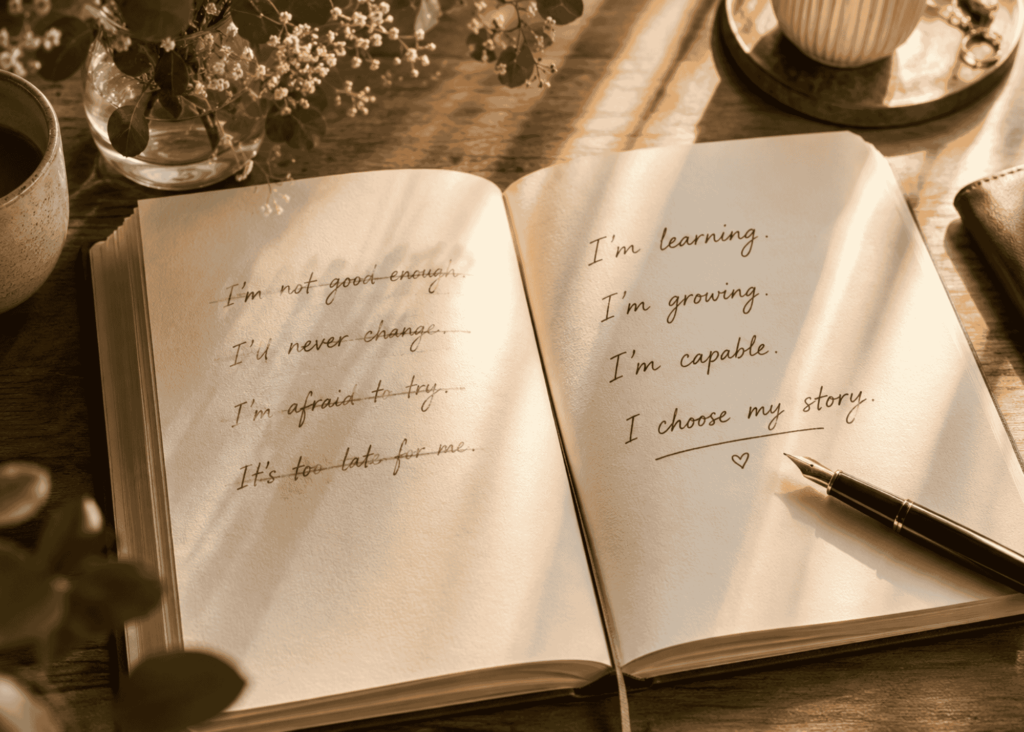
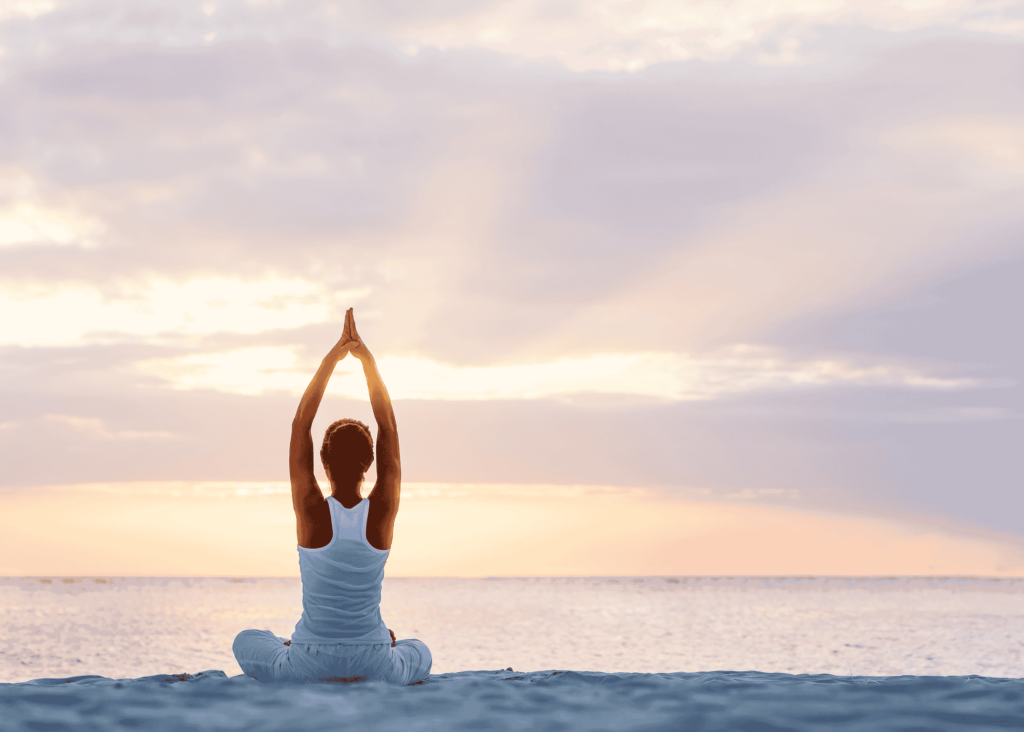
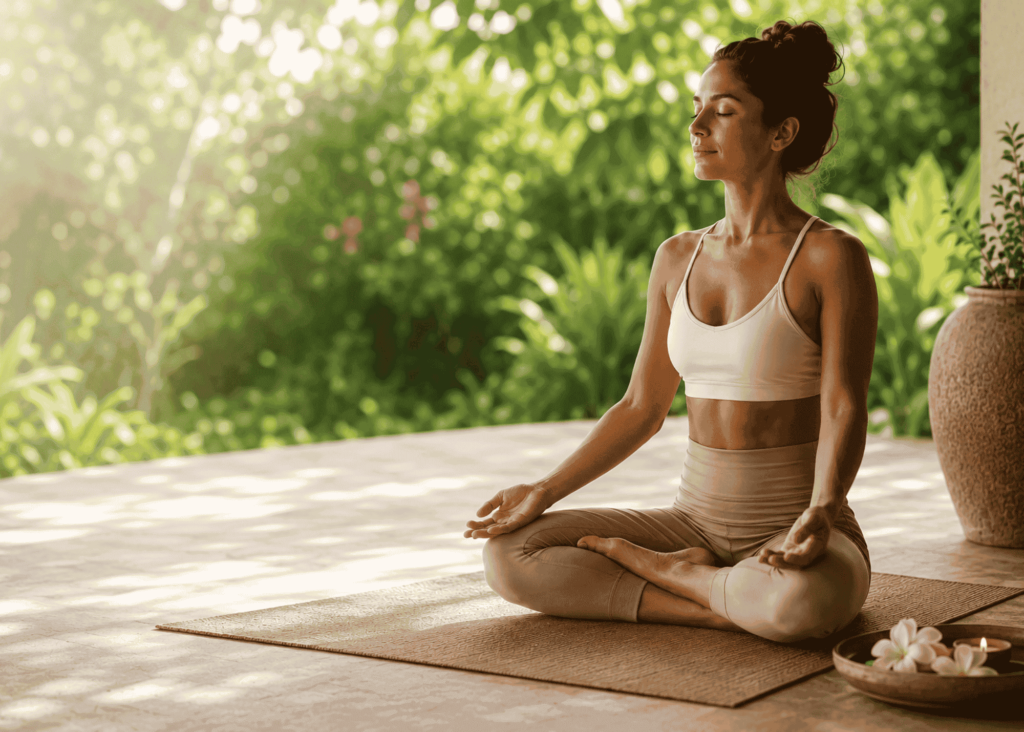
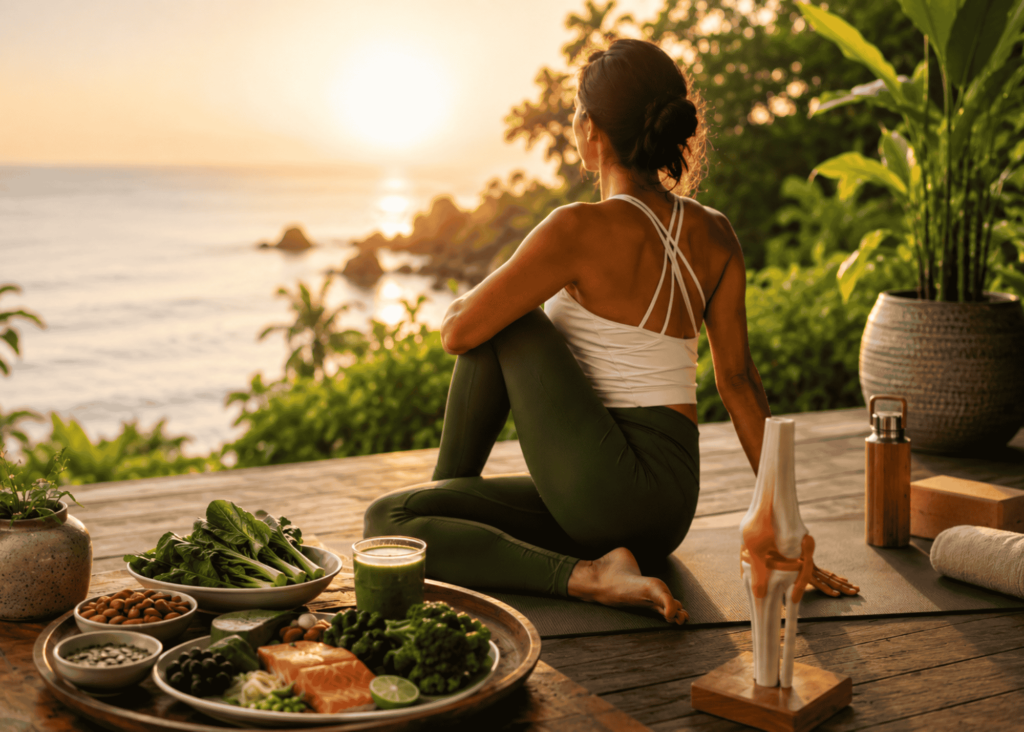
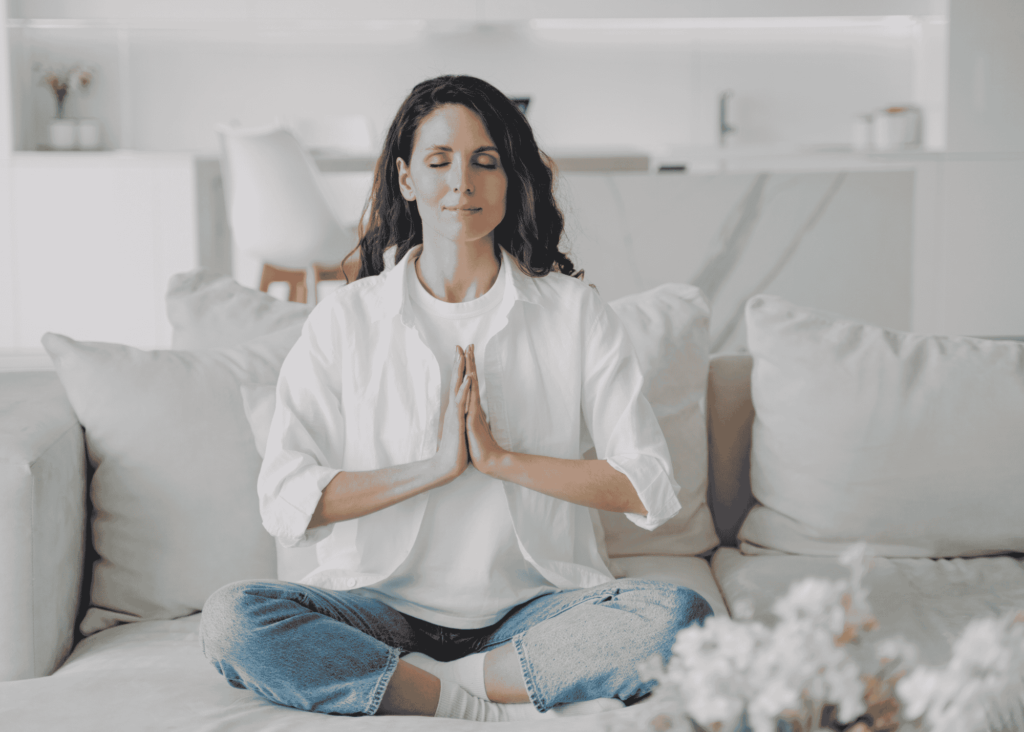
Yoga for Anxiety: Gentle Practices to Help You Feel Calm and Grounded When Your Mind Won’t Slow Down Have you ever climbed into bed only to find that your body is exhausted, but your mind refuses to rest? Thoughts race from one worry to the next. Your shoulders feel tight, your breathing becomes shallow, and even though the day has ended, your nervous system seems unable to switch off. During periods of stress and anxiety, many people experience this disconnect, between body and mind. Anxiety may begin with our thoughts, but it often shows itself physically through muscle tension, restless sleep, fatigue, and a constant feeling of being “on edge.” Yoga for anxiety offers a gentle way to reconnect with yourself. Through mindful movement, breathing, and awareness, it creates opportunities to slow down, feel more grounded, and support emotional wellbeing. While it is not a replacement for professional mental health care, it can become a valuable part of a broader self-care routine. Understanding Anxiety and Why Yoga Helps Anxiety affects more than your thoughts. It can also influence the way you breathe, sleep, move, and feel physically. You may notice tight shoulders, restless energy, shallow breathing, disturbed sleep, ongoing fatigue, or a feeling of being constantly “on edge.” These responses are part of the body’s natural stress response. When they continue for long periods, they can leave both body and mind feeling exhausted. Yoga for anxiety supports wellbeing by working with the mind and body together. Rather than trying to stop anxious thoughts, it gently brings your attention back to the present moment. Slow movement helps release physical tension, while mindful breathing encourages a steadier rhythm throughout the body. As your awareness shifts towards your breath and physical sensations, the nervous system may begin to settle, helping you feel calmer and more grounded. Yoga is not about eliminating anxiety. It offers a gentle space to reconnect with yourself where there is one breath and one movement at a time. Slowing Down Through the Breath One of the first things many people notice during stressful moments is a change in the way they breathe. Breathing often becomes quicker, shallower, and more restricted without us even realising it. By slowing the breath, we can gently encourage the body to move towards a calmer state. Breathing practices have remained an important part of yoga for anxiety for centuries. They encourage a greater sense of calm and help bring your attention back to the present moment. Simple techniques include: Diaphragmatic breathing, allowing the abdomen to rise and fall naturally with each breath. Equal breathing (Sama Vritti), where the inhale and exhale are gently matched in length. Lengthening the exhalation, allowing each out-breath to become slightly longer than the in-breath to encourage relaxation. Rather than trying to breathe perfectly, simply allow each breath to become softer and more comfortable. As your breathing settles, many people notice their bodies gradually begin to relax as well. Gentle Yoga Practices That Encourage Grounding Move slowly, breathe naturally, and stay within a comfortable range of motion. The aim is not to achieve the perfect posture, but to help your body feel supported and at ease. Child’s Pose (Balasana): Encourages a sense of comfort and rest while gently releasing tension through the back and hips. Mountain Pose (Tadasana): Promotes stability, grounding, and greater awareness of your posture, helping you feel more connected to the ground beneath your feet. Cat-Cow Stretch: Gently mobilises the spine while coordinating movement with the breath, encouraging both physical and mental release. Standing Forward Fold (gentle variation): Allows the body to soften while helping ease muscular tension. Legs-Up-the-Wall Pose (Viparita Karani): Offers an opportunity for deep relaxation and encourages the body to unwind. Reclined Bound Angle Pose (Supta Baddha Konasana): Supports gentle openness and comfortable rest. Rather than aiming for perfect postures, allow each movement to remain gentle and within your own range of comfort. The intention is simply to create a little more space for calm, one pose at a time. Finding Calm Beyond the Yoga Mat Yoga is not only something you practise on a mat. Small moments of mindfulness throughout the day can help you reconnect with the present whenever life feels overwhelming. Taking a few slow breaths before a meeting, stretching after sitting for long periods, enjoying a mindful walk, or stepping away from screens all create opportunities to reset your nervous system. Keeping a gratitude journal or simply noticing your thoughts without judging them can also encourage a greater sense of calm. These moments are not about avoiding life’s challenges. They are gentle reminders that you do not have to react immediately to every thought or source of stress. Supporting Your Nervous System Every Day Yoga works best when it becomes part of a wider approach to wellbeing. Good sleep, nourishing food, regular movement, time outdoors, meaningful relationships, and moment’s of rest all help support a healthier nervous system. Perhaps most importantly, practice kindness towards yourself. Anxiety is not a personal failure and meeting yourself with patience rather than self-criticism creates a space for healing. What You May Notice with Regular Practice Everyone’s experience of yoga is unique, and changes often happen gradually rather than all at once. With regular practice, many people begin to notice subtle shifts in the way they respond to everyday stress. You may find that: You feel calmer during challenging moments. Your breathing becomes easier to notice and regulate. You develop greater awareness of physical tension before it builds. It becomes easier to pause before reacting impulsively. Relaxation feels more accessible at the end of the day. You feel more present during everyday activities. These experiences are not about eliminating anxiety completely. Instead, they reflect the gradual development of skills that help you respond to stress with greater awareness, flexibility, and self-compassion. Knowing When to Seek Additional Support While yoga can be a valuable part of supporting emotional wellbeing, it is important to recognise that anxiety affects everyone differently. If anxious thoughts or feelings become