

Azuska

Blog

Your blog category

health benefits of sprouts
Blog

The Benefits of Sprouts: Tiny Seeds, Big Transformations

The Benefits of Sprouts: Tiny Seeds, Big Transformations A Gentle Beginning Sometimes the simplest foods carry the deepest wisdom. Sprouts — those tiny green shoots that spring to life from humble seeds, lentils, or grains — may look delicate, but they hold a quiet power. The health benefits of sprouts are many: they are living foods, bursting with vitality, whispering the reminder that healing and nourishment often come in the smallest forms. Sprouts aren’t just food. They’re energy in motion — life caught in its most vibrant stage. And when you bring them onto your plate, you’re inviting not just nutrients, but a living rhythm of renewal into your body. A Fibre-Rich Ally for Digestion Your body flourishes when it is tended to with gentleness, and sprouts offer exactly that — a quiet kind of medicine for your digestive system. Bursting with dietary fibre, they act like nature’s broom, sweeping through your gut to clear waste, regulate blood sugar, and keep everything moving with ease. Instead of heaviness, they leave you feeling light, balanced, and satisfied. A small bowl of sprouted moong or chickpeas isn’t just food — it’s a reset button for your digestion, a daily reminder that healing often begins with the simplest choices. Natural Support for Weight Management If weight management has ever felt like a tug-of-war, sprouts gently guide you back to balance. Low in calories yet rich in volume and nutrients, they help you feel full without feeling heavy. Each serving steadies cravings, eases the pull of mindless snacking, and replaces processed foods with nourishment that truly sustains. In every crunchy bite, sprouts remind you that weight loss doesn’t have to mean restriction — it can mean abundance, variety, and the joy of feeling light yet deeply nourished. A Snack That Truly Loves You Back Most snacks comfort you for a fleeting moment and then leave you craving more. Sprouts, however, nourish you from within. Brimming with protein, vitamins, minerals, and living enzymes, they don’t drain your energy — they restore it. A bowl of sprouted moong tossed with lime and spices makes for a refreshing mid-day salad. A sprinkle of crunchy sprouts over warm soups adds both texture and vitality. Or simply enjoy them fresh, crisp, and alive. This is snacking made sacred — food that not only satisfies your hunger but sustains your energy, your mood, and your wellbeing. A Boost of Living Nutrients Sprouts are nature’s multivitamin at their most alive. In the simple act of sprouting, seeds awaken — unlocking enzymes, antioxidants, and amino acids that remain dormant when dry. With every spoonful, you’re not just eating; you’re absorbing life in its purest form. It’s as if your body is drinking sunlight, minerals, and renewal all at once — nourishment that flows directly into your cells, energising and restoring you from within. Easy, Accessible, and Affordable Wellness Wellness doesn’t always require expensive superfoods. Sometimes it’s in the jar on your kitchen counter, in a handful of lentils soaked overnight, in a humble sprout. With minimal effort, you can grow a powerhouse of nutrition that keeps giving back day after day. Sprouts prove that health doesn’t have to be complicated — it just has to be consistent. In a world that often tells us to do more, eat less, and keep rushing, sprouts remind us to slow down and return to basics. They’re more than a garnish — they are living proof that growth, healing, and nourishment begin small, but ripple outward in powerful ways. So the next time you’re looking for a snack, a boost of fibre, or a step toward balance, listen to the whisper of sprouts. They are not just food for your body, but gentle medicine for your soul. And if you’re ready to take this wisdom beyond your plate, our Eatwell Programs at The Beach House Goa are designed to do just that. Here, food becomes a teacher and every meal a chance to rediscover balance. Through guided nutrition, mindful eating practices, and personalised care, you’ll learn how simple choices — like adding sprouts — can transform not only your body but your entire relationship with nourishment. It’s more than a program; it’s an invitation to come home to yourself, one wholesome bite at a time. Disclaimer: Our content is not intended to provide medical advice or diagnosis of individual problems or circumstances, nor should it be implied that we are a substitute for professional medical advice. Users /readers are always advised to consult their Healthcare Professional prior to starting any new remedy, therapy or treatment. Azuska– Goa accepts no liability in the event you, a user of our website and a reader of this article, suffers a loss in any way as a result of reliance upon or inappropriate application of the information hosted on our website. PrevPrevious NextNext

PCOS diet for weight loss
Blog

Insulin-Smart Eating for PCOS: How to Build a Low-GL, Indian Plate

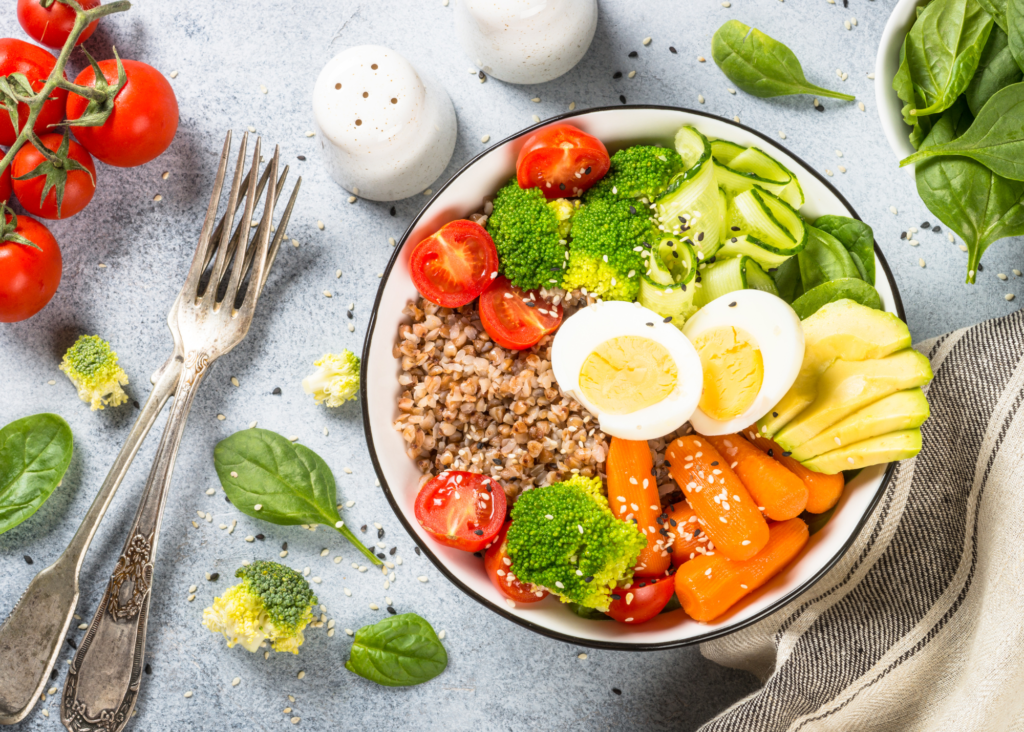
Insulin-Smart Eating for PCOS: How to Build a Low-GL, Indian Plate PCOS Isn’t Just Hormonal — It’s Metabolic Too If you’ve been living with PCOS, you know it’s more than just irregular periods or acne. Behind the surface symptoms, there’s often a deeper issue quietly brewing: insulin resistance. And that’s where the real struggle begins. Polycystic Ovary Syndrome (PCOS) isn’t just a hormonal imbalance; it’s a complex metabolic condition that can silently push your body toward long-term health complications including type 2 diabetes. For many women, the weight that won’t budge, the constant cravings, and the fatigue are not a failure of willpower — they’re signs of a system struggling with insulin regulation. That’s why choosing the right PCOS diet for weight loss and improved insulin response isn’t just helpful — it’s crucial. One of the most sustainable, science-backed approaches? Adopting a Low GL diet for PCOS — especially when it’s rooted in familiar, comforting foods through a PCOS diet Indian plate. Healing doesn’t have to mean foreign foods or extreme diets — it can start right where you are, with the food you already know and love. What Is a Low-GL Diet — and Why Does It Work for PCOS Diet for Weight Loss? When you’re battling PCOS and nothing seems to work, not calorie counting, not carb-cutting, not even hours at the gym, it’s time to shift the focus from quantity to quality. That’s where a Low GL diet for PCOS comes in. Unlike the glycemic index (which only tells you how quickly a food raises blood sugar), glycemic load (GL) looks at both the type of carbohydrate and the portion size offering a much more realistic picture of how food affects your body. For someone with PCOS, this matters deeply. Because the issue isn’t just weight it’s how your body processes food. High GL meals spike your blood sugar and insulin levels, triggering cravings, weight gain, fatigue, and more hormonal chaos. In contrast, low GL meals provide a steady release of energy, helping you stay full, balanced, and nourished without the crash. Research shows that a Low GL diet for PCOS helps improve insulin sensitivity, regulate periods, reduce inflammation, and support healthy weight loss. For Indian women especially, switching to a PCOS weight loss Indian diet built around low GL principles can be a game-changer — not just for symptoms, but for your whole relationship with food and your body. Building Your Indian Low Glycemic Plate: The Formula That Works Let’s be honest — PCOS diets can often feel like a long list of “don’ts.” But true healing doesn’t come from restriction; it comes from rebalancing. And the good news? You don’t need to give up your cultural meals or favourite flavours. With the right structure, you can create deeply nourishing, Indian low glycemic meals that are both satisfying and healing. Enter the Insulin-Smart Indian Plate — a simple yet powerful formula that turns your everyday meals into metabolic medicine. Here’s how it works: ½ plate: colourful, non-starchy vegetables like spinach, ladies’ finger, beans, cabbage, or bottle gourd. These are rich in fiber and antioxidants, helping slow sugar absorption. ¼ plate: Quality proteins — think moong dal, kidney beans, paneer, eggs, grilled chicken, or tofu. ¼ plate: Low-GL complex carbs such as millets (like foxtail or kodo), brown rice, barley, or whole moong. Top this off with healthy fats like ghee, flaxseeds, pumpkin seeds, or a few cashews — plus digestion-boosting herbs and spices like jeera (Cumin seeds), haldi (turmeric) and ajwain (carom seeds). The magic is in the pairing: always combine carbs with protein or fat to soften the blood sugar spike. This PCOS diet Indian plate isn’t about eating less — it’s about eating smarter. It meets your body where it is and gently supports it toward balance. Sample Indian Meals that Support Insulin Balance Eating for PCOS doesn’t mean giving up your favourite foods — it simply means giving your body meals that work with you, not against you. With the right choices, Indian low glycemic meals can be deeply nourishing, flavorful, and aligned with your body’s needs. Here are some simple meal ideas using the PCOS diet Indian plate method — rich in fiber, healthy fats, protein, and blood sugar-friendly ingredients: Breakfast · Moong chilla with mint-coriander chutney + coconut water · Vegetable upma made with little millet (samai) + a side of soaked walnuts · Besan oats cheela with curry leaves + ginger tea Lunch · Bajra roti + methi dal + sautéed lauki + raw salad (cucumber, radish, lime) · Red rice khichdi with moong dal, spinach, and turmeric + roasted jeera buttermilk · Quinoa pulao with mixed vegetables and paneer cubes + mint raita Dinner (light, calming, and easy to digest) · Grilled fish or tofu + cauliflower rice + lemon-ginger clear soup · Vegetable stew with coconut milk + small portion of kodo millet · Palak-methi soup + roasted pumpkin salad with seeds + chamomile tea These meals aren’t just about calories — they are built to support hormonal healing, reduce inflammation, stabilize insulin, and ease digestion. With planning and smart pairings, every meal becomes a step toward healing — no crash diets, no bland food, just deeply Indian low glycemic meals designed for you. PCOS Weight Loss Isn’t About Eating Less — It’s About Eating Smarter If you’ve tried every diet, cut calories, skipped meals, and still found your body holding on to the weight you’re not alone. The truth is, weight loss with PCOS feels different because it is different. Your body isn’t broken — it’s just asking for a kinder, more informed approach. What you need isn’t another restriction-based plan, but a shift in how you nourish yourself. A PCOS weight loss Indian diet rooted in Low GL diet for PCOS principles focuses not on punishment, but on balance. It helps reduce the insulin spikes that fuel cravings, emotional eating, and exhaustion. And the changes are often felt faster than expected. Many clients at Azuska

heart health
Blog

Your Heart Needs More Than Cardio: 5 Things That Actually Strengthen It

Your Heart Needs More Than Cardio: 5 Things That Actually Strengthen It. We’re often told, “Just do more cardio — it’s good for your heart.” And yes, cardiovascular exercise like running, swimming, or cycling builds endurance and strengthens circulation. But what if your heart needs more than miles on a treadmill or another 10k run? What if what it’s truly craving is calm, connection, and deep nourishment? Most people don’t fully understand that while cardio is beneficial, it’s only one piece of the heart-health puzzle. If your heart is weighed down by stress, chronic inflammation, poor diet, or even quiet loneliness, cardio alone can’t restore it to full vitality. True cardiovascular wellness means seeing your heart as more than a muscle — it’s emotional, hormonal, and energetic too. Ayurveda for cardiovascular health teaches that your heart thrives when stress is managed, nourishing food fuels your tissues, rest restores your rhythms, and emotional wounds are gently healed. The emotional impact on heart health is profound — a steady, cared-for heart beats differently than one that’s constantly bracing against strain. This is natural heart support: not just in the gym, but in the way you live, breathe, and connect. The 5 Practices That Truly Strengthen Your Heart Cardio can play its part — but your heart’s deepest strength often comes from the quieter habits you nurture every day. Here are five heart-strengthening habits for holistic heart health that many of us forget, yet make all the difference: Slow, Deep Breathing A calm breath is the heart’s favourite rhythm. Gentle breathing practices help regulate blood pressure, ease anxiety, and bring balance to your nervous system — essential lifestyle tips for heart wellness. Warming Foods & Herbs Garlic, turmeric, cinnamon, and Arjuna — a revered Ayurvedic heart tonic — improve circulation, reduce inflammation, and protect heart tissue. These simple additions to meals keep your heart nourished from within. Restorative Sleep & Stillness Sleep repairs what stress depletes. Without rest, the heart cannot fully recover, no matter how much exercise you do. Treat rest as one of your most valuable medicines. Emotional Expression Bottled emotions quietly increase heart strain. Talking, journaling, crying, or creating art releases tension and frees the heart from carrying unspoken burdens. Meaningful Connection Loneliness can be as harmful as poor diet or inactivity. Nurturing loving, supportive relationships literally strengthens the rhythm and resilience of your heart. You don’t need to overhaul your life overnight. Begin with just one practice that brings peace to your day — your heart will notice. Your Heart is a Sensor, Not Just a Machine Your heart responds to more than miles run or weights lifted — it feels your fear, your joy, your grief. Modern science confirms what ancient wisdom has long known: emotional stress can raise blood pressure, trigger inflammation, and weaken resilience over time. In Ayurvedic heart care, the heart is honoured not only as a physical organ but as the seat of emotional and spiritual intelligence — the Anahata Chakra. Caring for emotional heart health means tending to these unseen forces as carefully as you tend to diet or exercise. You can’t out-run the weight of unresolved feelings with cardio alone. True healing invites space for reflection, compassion, and practices that calm both the mind and the heartbeat, breaking the link between stress and heart disease before it begins. The Cost of a One-Dimensional Approach You can be active and still feel unwell. Exhausted after workouts. Struggling with irregular sleep, sudden cravings, or unpredictable moods. These are quiet signals that your heart may be calling for healing, not just training. Focusing on cardio alone can overlook the deeper roots of imbalance — the kind that shape your long-term heart health. Stress-related heart disease doesn’t arrive overnight; it’s often built over years of unaddressed tension, fatigue, and emotional strain. A true heart health retreat looks beyond your fitness level, addressing nourishment, rest, emotional well-being, and resilience in one integrated approach. It’s not about doing more — it’s about caring more, in ways that last. Healing the Heart, the Ayurvedic Way In Ayurveda, the heart is more than a muscle — it’s the home of Ojas, the essence of vitality that sustains life. Protecting it requires more than movement; it calls for nourishment, calm, and care. Ayurvedic herbs for heart health, such as Arjuna, Ashwagandha, and Brahmi, work gently to calm the nervous system, strengthen the heart muscle, and improve circulation. Through natural remedies for heart health like Abhyanga (warm oil massage), Shirodhara (steady warm oil flow over the forehead), and rasayana diets rich in restorative foods, Ayurveda soothes both the emotional and physical strain on the heart. In holistic heart healing, the goal is not only to repair but to replenish — to protect your inner flame so it burns steadily, no matter the winds outside. You Are More Than Your Heart Rate You are not a number on a treadmill screen. You are a whole being, and your heart is the rhythm of your life — not just your workout. Your heart healing journey begins the moment you choose to care for it with presence and intention. Even something as small as sipping a warm cup of herbal tea or placing your hand over your chest and breathing deeply can start to transform heart health in ways that are both subtle and profound. If your heart is whispering for deeper care, we welcome you to our Ayurvedic heart retreat — the Cardiovascular Health Retreat at Azuska Integrative Wellness Clinic. We combine ancient Ayurvedic wisdom with modern diagnostics to support your heart’s healing on every level: physical, emotional, and spiritual. From personalised herbal protocols that calm the nervous system, to nourishing dietary guidance and restorative therapies, your heart will be held with wisdom, gentleness, and care. It’s time to listen to your heart — not just race it. Disclaimer: Our content is not intended to provide medical advice or diagnosis of individual problems or circumstances, nor should it be implied that we are

good fats vs bad fats
Blog

The Good Fats We Forgot: Why Your Heart (and Hormones) Need Them

The Good Fats We Forgot: Why Your Heart (and Hormones) Need Them For decades, we’ve been told a simple story: fat is bad. And in the rush to follow low-fat fads, we stripped our meals of something far more valuable than we realised. In the debate of good fats vs bad fats, nuance got lost and with it, our connection to foods that our ancestors understood as life-giving. Good fats are the quiet healers of the body. They’re the omega-3 fatty acids in wild salmon that soothe inflammation. They’re the unsaturated fats for heart health found in olive oil and creamy avocados. They’re the essential fatty acids for hormonal balance tucked inside walnuts, chia seeds, and flaxseeds small packages of energy and repair that your body cannot produce on its own. Even certain saturated fats, when coming from whole, unprocessed sources like coconut or grass-fed dairy, can play a role in hormone production and cell integrity. Yet, somewhere along the way, these healthy fat sources became the enemy. Food labels screamed “fat-free” as if it was a badge of honour, and we learned to fear the very nutrients that build our cell membranes, fuel our brains, and keep our hearts steady. It’s time to remember that in the conversation about good fats vs bad fats, the danger isn’t in the presence of fat itself but in the kind we choose and the balance we keep. Your Heart Loves Fat But Only the Right Kind Your heart isn’t nourished by deprivation it thrives on the right kind of fuel. Omega-3 fats for cardiovascular health help keep your heartbeat steady, reduce blood clot risks, and protect the delicate lining of your arteries. These essential fats lower LDL (the “bad” cholesterol) while raising HDL (the “good” cholesterol), create a healthier balance that supports long-term heart function. But heart health isn’t only about cholesterol numbers. Chronic inflammation quietly damages blood vessels over time and this is where an anti-inflammatory diet for heart truly shines. Good fats from sources like nuts, olive oil, and flaxseed act like internal healers, calming inflammation, improving circulation, and supporting the integrity of every heart cell. When you choose essential fats for cholesterol control, you’re also choosing healthy fats for blood pressure, smoother vessel function, and a natural detox for heart health. Fat Fuels Your Hormones And Your Healing Your hormones are like the body’s messengers, carrying signals that affect everything from mood to metabolism. And the truth is simple: without the right fats, those messengers can’t do their job. In hormone health nutrition, fats are the raw materials your body uses to produce estrogen, progesterone, and testosterone the hormones that shape your cycles, energy, libido, and emotional balance. Healthy fats also play a central role in cortisol regulation. Cortisol, your main stress hormone, isn’t inherently bad it helps you respond to challenges. But when it stays elevated due to chronic stress, it can damage tissues, disrupt sleep, and drain your energy. Good fats, especially those found in oily fish, nuts, and seeds, help your body modulate cortisol levels, creating a calmer, steadier stress response. Then there’s the vital connection to nutrient absorption. Vitamins A, D, E, and K essential for immunity, bone strength, skin health, and blood clotting are fat-soluble, meaning they require dietary fat to be absorbed and used by your body. Without enough fats for hormone balance, these vitamins pass through unused, leaving you vulnerable to deficiencies that affect everything from mood to immunity. Including hormonal detox foods rich in healthy fats isn’t indulgence it’s essential maintenance for the systems that keep you thriving. The Real Causes of Heart Trouble — It’s Not Just Food The heart carries more than blood it carries the weight of our emotions. The emotional root of heart disease is often overlooked, yet stress, unresolved trauma, poor sleep, and even loneliness can strain the heart as much as any diet. Chronic stress floods the body with cortisol, and over time, this stress-induced inflammation damages blood vessels, disrupts circulation, and fuels cardiovascular risk. This is the mind-heart connection at work: when emotional burdens go unaddressed, they create a vicious cycle stress leads to inflammation, which triggers poor food choices, further deepening hormonal imbalance. Breaking that cycle means embracing a healing lifestyle for heart health that nourishes not just your body, but also your emotional and mental well-being. Guide to Reintroducing Good Fats You don’t have to change your whole diet overnight—start with small, nourishing choices. Blend chia seeds or flax into your morning smoothie for an omega-3 boost. Swap processed cooking oils for cold-pressed olive oil or avocado oil to make meals heart-healthy, richer, and fresher. Snack on a handful of walnuts or almonds in the afternoon. Add crunch and minerals by topping roasted vegetables with pumpkin seeds. Drizzle tahini over salads, stir coconut milk into soups, or sprinkle hemp hearts over porridge for extra nourishment. If food alone isn’t enough, consider high-quality omega-3 supplements as a daily support for heart, hormones, and vitality. Over time, these small healthy fat habits transform the way your body feels, functions, and flourishes. Come Back to What Nourishes This isn’t about fear; it’s about remembering. Your body was never the enemy—it simply missed the nourishment it once knew. Good fats bring rhythm to your heart, glow to your being, and balance to your emotions. Healing can begin with something as simple as a spoon of flax, a handful of almonds, or a drizzle of golden oil. If you’re ready for lifestyle tips that work with your body, our Eatwell Online Educational Programme offers nourishing food education, emotional wellness tools, and heart and hormone healing strategies—supporting your vitality step by gentle step. Disclaimer: Our content is not intended to provide medical advice or diagnosis of individual problems or circumstances, nor should it be implied that we are a substitute for professional medical advice. Users /readers are always advised to consult their Healthcare Professional prior to starting any new remedy, therapy or treatment. Azuska– Goa accepts no

Electrolyte imbalance
Blog

The Silent Signs of Hypertension: Fatigue, Cramps, and the Electrolyte Connection You Can’t Ignore

The Silent Signs of Hypertension: Fatigue, Cramps, and the Electrolyte Connection You Can’t Ignore You’re putting in the effort — staying hydrated, eating well, and sleeping better than you used to. Yet somehow, you still wake up with heavy legs. Your head pounds after back-to-back meetings. And that mid-morning energy slump? It hits hard, even on your so-called “healthy” days. It’s frustrating. And it’s easy to blame stress or burnout. But what if there’s another piece of the puzzle you’ve never considered? The Hidden World of Electrolytes: Tiny Minerals, Big Signals There’s a quiet chemistry behind how your body feels each day — and it starts with electrolytes. These tiny minerals — like magnesium, potassium, calcium, and sodium — don’t just keep you hydrated. They help regulate your energy, your heartbeat, your muscles, and yes, your blood pressure. When they fall out of balance, the signs show up in ways we often ignore: fatigue that doesn’t match your effort, tension headaches, random muscle cramps. These may seem small, but they can be early signs of hidden hypertension or electrolyte imbalance — and they’re often overlooked in conventional care. Is It Just Fatigue — or a Sign of Blood Pressure Imbalance? Some symptoms whisper before they shout. That lightheaded spell in the morning? The brain fog that makes simple tasks feel heavy? Occasional tingling or bloating that you brush off? These aren’t always “just stress” — they can be subtle signs of electrolyte imbalance and hypertension quietly building beneath the surface. When electrolytes are off, your blood vessels can’t do their job smoothly — and this affects how pressure flows throughout the body. You may never see it on a quick blood pressure check, but the imbalance is already at work, setting the stage for long-term issues. It’s not just fatigue. It’s your body asking for attention — before a silent pattern turns into a chronic one. The Loop That Keeps You Stuck: Stress, Salt, Sleep & Signals Ever noticed how stress makes you reach for salty chips? And how, the next day, you wake up feeling puffy, wired, and worn out? It’s not just habit — it’s your body caught in a loop. Stress throws off your sleep. Poor sleep worsens your stress. Cortisol rises, sodium builds up, and your blood pressure quietly climbs. Your kidneys try to help by holding on to salt, but in doing so, they disturb your electrolyte balance even more. It’s not your fault. It’s just the body doing its best — without realising it’s stuck. And to break that loop? You need more than a number on a monitor. You need a full picture of you. How We Break the Pattern: 360° Screening and Personalised Healing At Azuska, we don’t treat symptoms — we listen to the whole story your body is telling. Our 360° screening goes beyond the basics to uncover what’s really driving your imbalance: from low electrolytes and high blood pressure to emotional stress and lifestyle habits. We look at everything — your hydration and mineral levels, your digestion and breath patterns, your stress response and emotional triggers. Then, your care team — including a doctor, nutritionist, and mind-body therapist — designs a personalised hypertension wellness plan just for you. That plan may include grounding meals that restore electrolyte balance, natural supplements to support healthy blood pressure, breathwork and movement to soothe the nervous system, and emotional healing practices to help you break the stress loop gently — and for good. Because you’re not just a blood pressure number. You’re a whole human being. And your healing should feel like it. When a Cramp is a Cry for Balance: Listening Before the Numbers Rise A muscle cramp. A pounding head. That strange feeling of being bloated and exhausted at the same time. These aren’t just minor annoyances — they could be your body’s early cries for balance. Long before the numbers rise, the signs of hidden hypertension are already there, asking to be seen. Because managing hypertension isn’t only about lowering a reading. It’s about realignment. About restoring what stress, imbalance, and disconnection have quietly disrupted. Ready to take a deeper step toward healing? Join us at our Hypertension management in Goa — a space where science meets stillness. Through integrative diagnostics, personalised care, and soulful practices like breathwork, movement, and Ayurvedic therapies, we help you rebalance from the inside out — with calm, clarity, and compassion. Not in Goa? Begin where you are. Our BeWell Online Program for Hypertension brings the same level of personalised support to your doorstep. With custom meal plans, movement practices, and expert guidance to help you decode your body’s signals, you’ll begin to build a sustainable path toward wellness — naturally and at your own pace. Disclaimer: Our content is not intended to provide medical advice or diagnosis of individual problems or circumstances, nor should it be implied that we are a substitute for professional medical advice. Users /readers are always advised to consult their Healthcare Professional prior to starting any new remedy, therapy or treatment. Azuska– Goa accepts no liability in the event you, a user of our website and a reader of this article, suffers a loss in any way as a result of reliance upon or inappropriate application of the information hosted on our website. PrevPrevious


Stress Gut Sleep Connection
Blog

Breaking the Stress Gut Sleep Mood Cycle: A 360° Approach to Healing

Breaking the Stress Gut Sleep Mood Cycle: A 360° Approach to Healing There’s a rhythm to your discomfort, but no one’s ever helped you hear it. You carry stress like a second skin. Your gut clenches before your mind even understands why. You lie awake in the quiet hours, tired but unable to rest, and wake up feeling like you never truly slept. Your moods ebb and crash like waves, and sometimes you wonder, “Is it just me?” But this isn’t just scattered symptoms. It’s a loop a quiet, persistent cycle linking stress, digestion, sleep, and mood in ways that go deeper than you’ve been told. This isn’t weakness. It’s your body’s wisdom, speaking in the only language it can. And when you finally pause to listen, you’ll realise: you’re not alone, and you’re not stuck. You’re simply in a pattern that can be unwound, and from all sides. The Science of the Loop: A 4-Way Conversation Inside Your Body Inside you, there’s a conversation always unfolding — between your gut, your brain, your sleep, and your emotions. This is the gut-brain connection, and it’s more powerful than most of us realise. When you’re stressed, your body doesn’t just feel it in your mind — your gut feels it too. The lining becomes inflamed, the balance of helpful bacteria gets disrupted, and digestion slows down. This is where the loop begins. Because your gut isn’t just about food — it’s also where nearly 90% of your serotonin is made, the very chemical that helps you feel calm, balanced, and emotionally steady. When digestion is weak, your body struggles to absorb the nutrients needed to make sleep hormones like melatonin. So sleep gets disrupted. You toss and turn. And without deep rest, your cortisol — the stress hormone — stays high, making you feel even more on edge, anxious, or overwhelmed. This is how stress and digestion, sleep disruption and mood, and emotional volatility feed into one another. A loop — not in your mind, but in your biology. What Keeps You Stuck: The Invisible Drivers You’ve tried all the “right” things. Probiotics. Melatonin. Meditation apps. Journaling through the chaos. And yet — something still feels off. Like you’re doing everything you can, but the relief never lasts. That’s because most solutions only touch the surface. What keeps you stuck often lives deeper — in places we rarely think to look. Maybe it’s chronic inflammation quietly draining your energy. Or unprocessed emotions that sit in the gut like tension you can’t digest. Maybe your nervous system is in a constant state of alert, never really feeling safe enough to exhale. Or there are old wounds — past traumas, even subtle ones — still shaping how your body reacts to life. It’s not that you’re doing it wrong. It’s that you’ve only been given one piece of the puzzle. Healing begins when we look at the whole picture. How We Break the Loop: The 360° Screening That Sees All of You This is where we pause and look at everything — not just the symptoms, but the story underneath. Through our 360-degree wellness approach, we begin with a functional wellness screening that sees you as a whole system, not just a set of problems. We start with the physical layer: lab tests, inflammation markers, body scans — the data your body holds quietly. Then, we move into the physiological: How well is your gut absorbing nutrients? What are your hormone cycles telling us? Is your digestion nourishing you — or draining you? And finally, we explore the psychological layer: past emotional patterns, trauma mapping, stress responses, and beliefs that shape your body’s rhythm. This root cause diagnosis gives us a clear, compassionate map — one that leads to therapies designed just for you. Not generic advice, but personalised care: Ayurveda and modern diagnostics guiding a path that may include food-as-medicine, emotional healing through hypnotherapy, therapeutic massage, and carefully chosen natural supplements. It’s not just about what’s wrong. It’s about understanding what you truly need — and why. Nourishing the Body Back to Balance Healing doesn’t begin with control. Once we uncover the root, we don’t rush to fix; we begin to nourish. And not just with food, but with rhythm. With safety. We start by calming the gut to calm the mind — because a peaceful belly is often the first step to a peaceful heart. Through a diet that includes whole nourishing foods like our natural fruits and vegetables or whole grains and pulses and basically how they are balanced, we help your body naturally regulate serotonin, melatonin, and cortisol the very messengers that guide your mood, energy, and sleep. You’re not counting calories. You’re rebuilding trust. Your healing also includes emotional healing therapy through integrative hypnotherapy and guided reflection. Your nervous system — the part of you that has stayed on guard for too long is supported with therapies that invite safety, softness, and natural mood boosters. In our gut-healing retreats like The Total Body Rebalance Retreat, you’ll experience hands-on body treatments that don’t just relieve pain — they help your entire system feel held, grounded, and ready to rest. What Healing Looks Like: Rest, Rhythm, and Realignment Imagine waking up rested. Really rested. Your mind isn’t racing. Your gut feels light, and your breath comes easily. You feel emotionally steady — not because life has become perfect, but because your body finally feels safe enough to respond with balance instead of survival. You begin to sleep through the night. Your moods don’t pull you under. You eat without fear or confusion. The loop that once kept you stuck begins to dissolve and, in its place, a new rhythm rises. This is what happens when we realign not just your habits, but your entire internal landscape. Not every day will be flawless. But every day will be possible. Ready to Break the Loop? Your Next Step You don’t have to keep guessing. You don’t have to keep managing your

Millets for Diabetes Management
Blog

The Power of Millets: Grains for Balanced Blood Sugar

The Power of Millets: Grains for Balanced Blood Sugar If You’re Living with Diabetes, You Might Think You’ve Tried It All You’ve done it all. Counted every carb, watched the clock, skipped the sweets, followed every rule in the book. You’ve said no when you wanted to say yes and still, your blood sugar rises like it didn’t notice the effort. It’s exhausting. And if you’re living with diabetes, you know that quiet frustration the kind that whispers, “Why isn’t this working?” Maybe it’s not about being more disciplined. Or more perfect. Maybe it’s about doing things differently not harder. That’s where millets come in. Not as a miracle cure, but as a humble, powerful shift. These small, ancient grains can help steady your energy, keep you fuller for longer, and support more balanced blood sugar all while reconnecting you to food that feels both comforting and nourishing. What if the answer lies not in the newest trend, but in something ancient? Millets those humble, healing grains have quietly supported generations before us. And today, they offer you a path to balance. On the body, rich in nourishment, they belong to a family of low glycemic foods for diabetes that actually honor your rhythms. In this space, we’ll walk through how millets can become part of your everyday meals not as another rule to follow, but as a way of nourishing your body with more ease and trust. From breakfast to bedtime snacks, it’s about finding balance that feels natural again. Not a fix. Not a formula. Just a way back to feeling more at home in your own body. Why Millets? A Powerhouse for Your Blood Sugar In a world where so much of our plate is filled with quick fixes the kind that come in boxes, packets, or from drive throughs millets arrive like a quiet remedy. Grounding. Steady. Wise. Unlike refined carbs like white bread, pastries, or sugary breakfast cereals that send your blood sugar soaring and crashing, millets take their time. They digest slowly, releasing energy in a way that feels more even, more kind. No sudden spikes. No heavy crashes after meals. Just a sustained sense of balance the kind your body has been asking for all along. The real beauty? It’s not just about the numbers on a glucometer. Millets do more than help with blood sugar they offer fiber that keeps you full, minerals your body quietly craves, and a kind of nourishment that doesn’t feel like restriction. When you begin to bring millets into your meals, you’re not following a rule you’re returning to a rhythm. One that flows with your body, not against it. Long before diabetes became something we had to manage, millets were simply part of daily life. Comforting. Wholesome. Healing in their own quiet way. This shift isn’t about giving up joy or flavor. It’s about choosing calm over chaos. Clarity over confusion. And finding support in low-glycemic foods that care for you without punishment, pressure, or fear. The Eatwell Way: A Day of Balanced Eating with Millets Let’s be honest meal planning can feel like a minefield when you’re managing blood sugar. There’s fear in the choices, guilt after the indulgences, and confusion over what’s actually good for you. But what if we softened the approach? What if, instead of restriction, we simply returned to balance? This is the Eatwell diabetes diet not a rigid plan, but a rhythm. A way of gently including low GL diet staples like millets into your everyday meals. Here’s how one simple day can look and feel grounded, nourishing, and steady. Breakfast: Oats Ragi Banana Pancakes with Coconut Nut Stuffing This breakfast is a quiet celebration of warmth and comfort. Ragi, or finger millet, is rich in calcium and iron and when combined with oats and banana, creates a creamy, slow-energy release that’s kind to your blood sugar. You’ll mash bananas into a blend of ragi and oats flour, stir in a hint of turmeric and coconut milk, sweeten gently with jaggery, and cook into soft golden pancakes. Filled with toasted coconut, jaggery, and crushed nuts, each bite is grounding and deeply satisfying. This is how millets for blood sugar support begins not with denial, but with a plate full of joy. Mid-Morning Snack: Thinai Maavu Laddu Sometimes, all you need is something sweet that doesn’t throw your body into chaos. This Foxtail Millet (Thinai) Laddu is your answer. These laddus are rich in fiber, paired with protein-packed peanuts, and gently sweetened with jaggery. Made from roasted foxtail millet, ground with peanuts and cardamom, and bound together with melted jaggery, they offer a deeply nourishing pause between meals. A perfect companion to a mid-morning tea. A quiet reminder that sweet can still be safe. Lunch: Barnyard Millet Khichdi with Cucumber Raita This is comfort food reimagined. Soft, lightly spiced Barnyard millet khichdi with seasonal vegetables simple, soothing, and exactly what your digestion and blood sugar need. Low glycemic foods for diabetes like barnyard millet are easy on your system, and when paired with cooling cucumber raita, create a full meal that calms rather than spikes. It’s filling without heaviness. Flavorful without fire. Proof that the Eatwell diabetes diet isn’t about bland food it’s about choosing what supports you most. Evening Snack: Little Millet Chivda (Savory Trail Mix) This is the kind of snack that doesn’t feel like a compromise. A mix of roasted kodo millet and ragi poha, crunchy peanuts, sesame, curry leaves, and a touch of jaggery this little millet chivda gives you crunch, flavor, and satisfaction without the crash. It’s roasted, not fried. It’s balanced with protein and good fats. And it tames hunger without waking up your cravings. Another win for millets for blood sugar balance. Dinner: Kodo Millet Stir-Fry with Vegetables & Tofu After a long day, you deserve a meal that grounds you not one that throws your system into a spin. This stir-fry made with kodo millet and seasonal vegetables is warm, deeply nourishing,

Anti-Inflammatory Diet for Osteoarthritis
Blog

The Osteoarthritis Diet: Healing Your Joints with Every Bite

The Osteoarthritis Diet: Healing Your Joints with Every Bite Some mornings, even getting out of bed feels like a quiet negotiation with your body. The joints that once moved without thought now speak back in aches, in stiffness, in the slow resistance of pain that seems to come and go as it pleases. Osteoarthritis isn’t always visible to others, but you feel its weight in every small decision: how far to walk, whether to take the stairs, how long to stand. But what if healing doesn’t always begin in a pillbox? What if part of your relief,  part of your hope could be found on your plate? Let’s walk through how foods for joint health, an anti-inflammatory diet for arthritis, and small daily choices can begin to support you in quiet, nourishing ways. Understanding Osteoarthritis: More Than Just Wear and Tear Let’s begin with clarity. Osteoarthritis isn’t just “getting older,” though age can certainly play a role. The word itself offers clues: “osteo” for bone, “arthritis” for inflammation of the joints. What it really describes is a slow conversation between wear, tear, and time where inflammation quietly fans the flames of stiffness, pain, and joint degeneration. Inflammation is the unseen driver here. It’s what makes joints feel swollen, sore, and unreliable. Over time, this inflammation erodes the cushion between your bones, making even simple movements feel harder than they should. But here’s the quiet truth many overlook: what you eat matters. Your daily choices can either fuel the fire of inflammation or help ease it. Through a thoughtful, anti-inflammatory diet for arthritis, you hold the power to support healing not with extremes, but with small, steady steps. These are among the most trusted natural remedies for osteoarthritis, and they begin on your plate. Your Plate as Medicine: Healing Begins with Every Bite Think of your meals as quiet conversations with your body. Each bite tells your joints something either to soften or to stiffen, to soothe or to inflame. The foods we choose hold quiet power, especially when it comes to managing the daily realities of osteoarthritis. Processed foods, excess sugars, and unhealthy fats often whisper the wrong messages, fueling inflammation and deepening the discomfort. They add strain where there’s already pain. But the good news and there is good news is that certain foods do just the opposite. An anti-inflammatory diet for arthritis leans into what nature offers. Omega-3-rich foods like flaxseeds and fatty fish help calm inflammation. Bright, colourful vegetables bring antioxidants that protect your joints from further harm. Spices like turmeric and ginger offer their ancient, proven support in reducing swelling and pain. These are your foods for joint health not miracle cures, but reliable allies on your healing path. Small Changes, Big Relief: A Beginning You don’t need to overhaul your entire life overnight. Healing often starts with the smallest steps repeated with care, not urgency. These small shifts, done with intention, are among the most effective natural remedies for osteoarthritis because they become part of how you nourish yourself, day after day. Begin simply. Swap refined grains for whole ones like brown rice, quinoa, or oats that support steady energy and reduce inflammation. Add a small handful of walnuts or chia seeds; they’re rich in omega-3s and love your joints as much as you do. Brighten your meals with greens, berries, and peppers vibrant foods that help protect and heal. And hydrate. Water keeps your joints cushioned, flexible, and less prone to pain. Most of all, reframe how you see food. This isn’t punishment or restriction. It’s care. It’s kindness. It’s another way you say to yourself, “I want to feel better.” And if you’re wondering where to start, the Eatwell Anti Inflammatory Diet Plan offers a space to learn, try, and gently shift with patience, not perfection, guiding the way. A Path Forward: Nourish, Not Restrict Healing your joints isn’t just about what you can’t eat. It’s about what you can give your body; nourishment, support, and small daily acts of care. The right foods for joint health don’t just ease pain; they help you rebuild trust with your body, one meal at a time. Your journey is not defined by discomfort alone. It’s shaped by the quiet, loving choices you make choices that say: I am worthy of feeling well. When you’re ready, the Azuska Arthritis Retreat is here to walk beside you. It’s a space where you’ll learn how food works with your body, not against it. Where healing isn’t rushed, and every bite is part of coming home to yourself through wisdom, kindness, and nourishment that truly supports your needs. Disclaimer: Our content is not intended to provide medical advice or diagnosis of individual problems or circumstances, nor should it be implied that we are a substitute for professional medical advice. Users /readers are always advised to consult their Healthcare Professional prior to starting any new remedy, therapy or treatment. Azuska– Goa accepts no liability in the event you, a user of our website and a reader of this article, suffers a loss in any way as a result of reliance upon or inappropriate application of the information hosted on our website. PrevPrevious

Silent meditation benefits
Blog

The Quiet That Changes Everything: 10 Benefits of Silent Meditation

The Quiet That Changes Everything: 10 Benefits of Silent Meditation When was the last time you truly sat in silence not to fix, not to figure out, but simply to be? In a world that moves faster than our breath can catch up, where noise hums from morning scroll to late-night worries, it’s easy to forget how healing quiet can be. Silent meditation isn’t just stillness for the sake of stillness. It’s a return a way of coming home to yourself, peeling back the layers of overwhelm until clarity and calm begin to rise. If you’ve ever wondered why practice silent meditation, here are ten quiet but powerful reasons it may be exactly what your heart has been seeking. Why Silence? In its simplest form, silent meditation is mindfulness without distraction. No music to soothe you, no voice to guide you, no mantra to repeat. Just you, your breath, and the quiet to be fully present with what is. It’s not about achieving some perfect state of emptiness. It’s about meeting yourself honestly, gently, without the constant hum of the outside world pulling you away. You might wonder, why practice silent meditation when life already feels full of silent moments waiting rooms, commutes, long nights? The difference is in how you meet the silence. In this space, you’re not waiting for anything. You’re simply listening. To breath. To body. To thought. To the quiet beyond thought. In a world that rarely pauses, this kind of practice becomes not just valuable, but essential. Over time, silence becomes less something to fear, and more a trusted teacher guiding you softly back to yourself. 10 Benefits of Silent Meditation What begins as simply sitting quietly can unfold into something far more transformative. Here’s how silent meditation for mental clarity and emotional well-being becomes a revolution, one breath at a time: Mental Clarity When you step away from constant input, your thoughts soften, slow, and settle. In this stillness, clarity rises not forced, but found. You begin to see what matters and let go of what doesn’t. Emotional Regulation Silence gives you space to feel without judgment. You notice emotions as waves, not storms to drown in. Over time, this practice brings steadiness and softness to how you meet your feelings. Stress Reduction One of the most natural forms of stress relief through silent meditation is simply pausing. In the quiet, your nervous system exhales. Tension releases. Cortisol calms. Your body remembers how to relax. Improved Focus Distraction fades as you practice returning again and again to breath, to stillness, to now. This discipline strengthens your ability to focus in daily life. Better Sleep A mind that learns to rest in stillness finds it easier to drift into sleep. Silence teaches the body how to soften, release, and surrender to deeper, more peaceful rest. Increased Self-Awareness Without the noise of the world, you meet yourself more honestly. You notice patterns, reactions, and stories. From this awareness, change begins. Enhanced Creativity In quiet spaces, creativity breathes. New ideas, insights, and inspirations arise not from effort, but from the fertile ground of inner calm. Strengthened Resilience Sitting in silence builds a quiet courage. You learn to stay with discomfort without fleeing. Over time, this becomes inner strength you carry into every part of life. Mind-Body Connection Silence draws you into your body — breath, heartbeat, presence. You begin to live less in the mind’s stories and more in the grounded truth of now. Greater Compassion Stillness softens the edges. Judgment quiets. What remains is kindness to yourself, to others, to the world around you. How to Begin: Simple Steps to Embrace Silence You don’t need hours of free time or a mountain retreat to begin. Mindfulness without distraction can start right where you are in a quiet corner of your home, with nothing more than your breath and a little willingness to be still. Start small. Truly small. Three minutes is enough. Settle into a comfortable seat, close your eyes, and simply notice your breath. The inhale. The exhale. The spaces in between. Your mind will wander that’s not failure, it’s simply part of the practice. Each time you return, you’re learning something essential about presence. If you’ve wondered why practice silent meditation when life already feels so full, let this be your answer: in those few quiet moments, you’re not adding more. You’re making space. You’re listening. You’re learning what happens when you stop trying to fix or fill every moment. Progress isn’t measured in time. It’s felt in calmer mornings, clearer thoughts, and a softening within that reminds you: peace was always here, waiting beneath the noise. What This Could Mean for You In the quiet, you don’t lose yourself you find your way home. Even one small moment of stillness today can unfold into lasting change. If you feel called to explore deeper, we offer Yoga Retreats and Meditation Retreats at Azuska Integrative Clinic, created as sanctuaries of peace. Here, stress relief through silent meditation becomes more than a practice it becomes a way of living, breathing, and being. Ready to begin? Enquire now about our Yoga and Meditation Retreats. Disclaimer: Our content is not intended to provide medical advice or diagnosis of individual problems or circumstances, nor should it be implied that we are a substitute for professional medical advice. Users /readers are always advised to consult their Healthcare Professional prior to starting any new remedy, therapy or treatment. Azuska– Goa accepts no liability in the event you, a user of our website and a reader of this article, suffers a loss in any way as a result of reliance upon or inappropriate application of the information hosted on our website. PrevPrevious

Energy-Boosting Self-Care
Blog

Daily Booster Shots You Can Incorporate In A Day

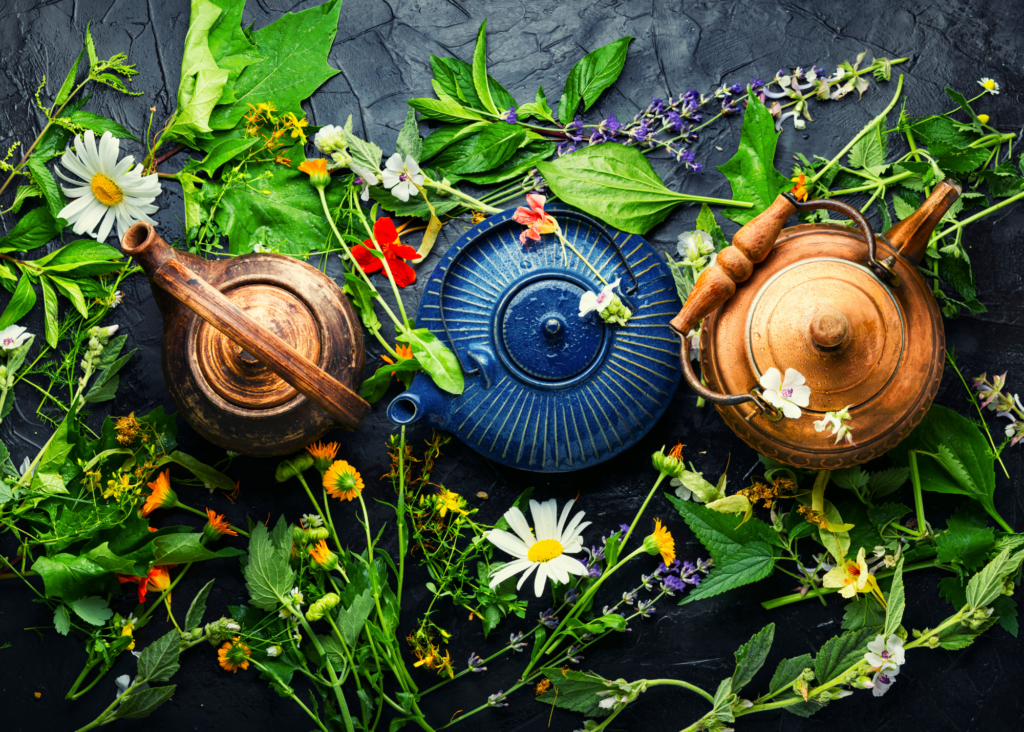
Daily Booster Shots You Can Incorporate In A Day You’re busy. The to-do list never really ends. Yet somewhere beneath the deadlines, the errands, the endless tabs open in your mind, you still long for something quieter—a moment of calm, a little more energy, a steadier sense of balance. That’s where Energy-Boosting Self-Care comes in. Not as a luxury, but as a lifeline. Small, simple practices that ground you in the moment. With Energy-Boosting Self-Care woven gently into your day, you can move through the chaos with more clarity, strength, and ease. We’ve been taught to believe that self-care rituals for wellness require grand gestures a full day off, a trip away, hours carved out just for you. But real self-care often looks much smaller, much simpler. It’s about the tiny moments you create, the ones you return to, again and again. Think of these as your daily booster shots little practices, like a turmeric shot or a pause to breathe, designed to bring you back to yourself. Morning to night, these daily habits for well-being don’t just fit into your life; they support it. Morning Moments That Set the Tone for Your Day How you start shapes how you continue. Those first few moments of the day before the emails, the news, the rush hold a quiet kind of power. They can either scatter you or center you. That’s why creating small, energy-boosting self-care shots in the morning isn’t about adding more to your list; it’s about giving yourself something steady to begin with. Start with breath. A mindful stretch arms overhead, inhale slowly, exhale fully helps you arrive in your body before you rush into the world. A glass of warm water with lemon and ginger is another grounding ritual. This simple morning and evening self-care practice not only hydrates but wakes up digestion and metabolism. Recipe for Your Morning Booster: 1 cup warm water 1 slice fresh ginger Juice of half a lemon Steep the ginger in warm water for 3-4 minutes, stir in the lemon juice, and sip slowly. These micro-moments fuel your energy, your focus, and your presence. They’re not obligations. They’re quiet investments in how you move through your day and in how you treat yourself along the way. Midday Moments to Re-Center and Re-Focus How are you feeling? How’s your breath? Your energy? These are not questions of luxury they are quiet acts of care, small check-ins that remind you: it’s okay to pause. In fact, these self-care rituals for wellness are what help you sustain, not just survive, the day. They are your daily habits for well-being, simple yet powerful ways to bring yourself back to center. Midday is the perfect time for these energy-boosting self-care shots, nourishing pauses disguised as drinks, designed to support your body and mind. Wheatgrass Shot (Aroiund your mid-morning Snack) 1 tsp wheatgrass powder 30ml water Mix well and take on an empty stomach mid-morning. Wheatgrass is rich in chlorophyll, supports detoxification, boosts immunity, and provides a natural energy lift. Amla or Aloe Vera Shot (Before or with lunch) 10ml amla or aloe vera juice 20ml water These shots are rich in Vitamin C, aid digestion, reduce inflammation, and are highly alkaline helping your system reset from within. Turmeric or Liver Support Shot (Post-lunch slump) 1 tsp turmeric juice or powder Pinch black pepper 30ml warm water Turmeric helps reduce inflammation, supports liver detoxification, and balances immunity especially when your body feels sluggish or overworked. These small rituals whether stepping outside for a walk, breathing deeply, or eating away from your screen aren’t indulgences. They are quiet wisdom in action, gentle ways to protect your energy, restore clarity, and honor your well-being throughout the day. Evening Rituals to Soften the Edges of Your Day Evenings slip away so easily chores calling, screens glowing, exhaustion settling in. It’s tempting to let the day end in distraction or depletion. But these quiet hours offer a tender invitation: to move from doing to being. Morning and evening self-care are bookends to your day, reminders that your well-being matters beyond the lists and tasks. Simple rituals can help soften the edges. A cup of herbal tea, held with both hands, sipped slowly. A tech-free hour where you read, stretch, or simply breathe with awareness. A moment to reflect writing down three small things that went well today, however ordinary they might seem. These daily habits for well-being aren’t about achievement; they’re about cueing your body and mind to shift toward rest and restoration. Herbal Infusion Ideas for Evening Calm: Chamomile: Calms the nervous system and prepares the body for sleep. Lemongrass: Supports digestion after dinner and soothes anxiety. Tulsi (Holy Basil): Balances stress hormones and grounds the mind. Lavender: Softens mental tension and eases the transition into rest. Peppermint: Aids digestion and brings lightness after a heavy day. Ginger: Warms the body, supports digestion, and eases feelings of bloating or heaviness after meals. Cinnamon: Helps balance blood sugar, supports digestion, and brings a sense of cosy warmth perfect for winding down. Fennel Seeds: Soothes digestive discomfort and calms the nervous system after a long day. Cardamom: Supports digestion, freshens breath, and brings a gentle, uplifting aroma to your evening cup. Licorice Root: Coats and soothes the throat, supports adrenal balance, and offers a naturally sweet, calming flavor. Rose Petals: Softens emotional tension, uplifts the heart, and helps transition into a restful state. Aniseed: Aids digestion, relieves bloating, and has a calming effect on the body and mind. Evenings are not a race to finish; they’re a chance to come home to yourself, with care. You don’t need to overhaul your life to feel better. These self-care rituals for wellness are gentle shifts, not grand gestures. Energy-boosting self-care shots whether a breath, a sip of tea, or a stretch remind your body and mind to pause, restore, and come home to yourself. These daily habits for well-being aren’t about perfection. They’re about creating small, steady anchors in your day that protect your