


Azuska

Author name: Sneha

asking better questions to teenagers
Blog

Asking Better Questions: How to Talk So Teenagers Open Up

Asking Better Questions: How to Talk So Teenagers Open Up If you are a parent of a teenager, you have likely felt this quiet ache. You ask how their day was and get a shrug. You try to connect and receive one word answers. You watch them retreat into screens or silence and wonder where your talkative child went. Learning the art of asking better questions to teenagers changes this dynamic because most teens are not shutting you out, they are protecting themselves from feeling judged, misunderstood, or emotionally overwhelmed. Teenagers crave connection just as deeply as younger children do. But their inner world is louder, more complex, and often fragile. When questions feel like pressure, interrogation, or criticism, they pull back. When questions feel safe, something beautiful happens. They begin to open. How Common Questions Can Close Doors Many well intentioned questions accidentally feel threatening to a teen. They sound like evaluations instead of curiosity. Examples of questions that can create distance include: Why did you do that? What is wrong with you? Who were you with? You should have known better These types of questions often trigger defensiveness, shame, or emotional shutdown. The teen brain hears accusation even when the parent means concern. Small Language Shifts That Change Everything Instead of questions that sound like checks or accusations, try ones that sound like care. Replace “Why are you so moody” with “You seem quieter today, how are you feeling” Swap “Did you finish your homework” for “How did school feel today” Change “What is going on with you” into “Is there anything you want to talk about” Shift “Who are you texting” to “Are you chatting with someone important to you” Turn “What did you do wrong” into “What was hard about today” These questions do not corner. They open space a better relationship and stronger connection. What Makes a Question Feel Safe Questions that invite openness share a few gentle qualities. They sound curious rather than controlling They are calm rather than urgent They allow more than a yes or no answer They focus on feelings rather than faults They are asked when the teen is relaxed When teens feel emotionally safe, honesty becomes possible. Listening Without Interrupting When your teen finally opens up, one of the most powerful things you can do is pause your instinct to fix, correct, or advise. Instead of rushing in with solutions, allow their words to land and gently reflect back what you hear. You might say something simple like, “So you felt left out when that happened,” or “That sounds like it really hurt.” This kind of listening tells them, “I see you. I’m here with you.” It shifts the moment from being about right and wrong to being about understanding. When teenagers feel heard without being judged, their nervous system softens, and they feel safer to share more. Trust grows not through perfect advice, but through the quiet reassurance that their feelings matter. Some days your teen will not want to share. That is normal. Keep showing up with warmth and gentle presence. Emotional safety grows slowly, like a seed that needs patience and care. Each kind question makes it easier for them to open next time. A Gentle Invitation to Azuska If family communication feels strained or your teenager is carrying stress, they cannot yet express, the Digital Detox at Azuska offers a nurturing space for emotional balance and mindful connection. Through gentle practices, guided reflection, and holistic wellness support, families learn to listen with more compassion and speak with more understanding. Because sometimes the deepest healing begins not with answers, but with the right questions asked softly and with love. Disclaimer: Our content is not intended to provide medical advice or diagnosis of individual problems or circumstances, nor should it be implied that we are a substitute for professional medical advice. Users /readers are always advised to consult their Healthcare Professional prior to starting any new remedy, therapy or treatment. Azuska– Goa accepts no liability in the event you, a user of our website and a reader of this article, suffers a loss in any way as a result of reliance upon or inappropriate application of the information hosted on our website. PrevPrevious

reconnecting as a couple
Blog

From Co-Existing to Connecting: How Couples Can Find Each Other Again

From Co-Existing to Connecting: How Couples Can Find Each Other Again There comes a quiet moment in many long-term relationships when partners realise something has shifted. They still share a home. They still share responsibilities. They still function together beautifully. And yet, emotionally, they feel far apart. Conversations revolve around bills, deadlines, school runs, repairs, health appointments, plans for the week. Affection becomes less frequent. Time together feels more logistical than loving. Life moves forward, but the heart feels unseen. This is not failure. It is simply a sign that reconnecting as a couple deserves gentle attention again. Why Couples Drift Into Co-Existing Most couples don’t drift apart suddenly, it happens quietly over time. Life gets full. Responsibilities multiply. There is always something urgent to handle, and emotional space slowly gets replaced by tasks and schedules. Constant doing leads to emotional fatigue, and the little moments that once created closeness begin to disappear. Unspoken resentments sometimes build underneath, not because partners don’t care, but because they are too tired to unpack them. Habits slowly replace intention. Phones and screens take attention away from presence. Conflict feels risky, so it becomes easier to stay silent rather than open difficult conversations. None of this makes anyone the “problem.” Relationships evolve with the seasons of life and sometimes love simply needs to be gently remembered, not rebuilt. What Is a Relationship Audit and Why It Matters? A relationship audit isn’t a test or a checklist of complaints. It is a gentle conversation designed to bring partners back into awareness with each other. Instead of asking, “What is wrong with us?” it invites the deeper question: How are we really doing: not as parents, organisers, planners, or workers, but as partners? When approached with tenderness, it becomes less about fixing and more about seeing one another clearly again. How to Begin Gently Before starting, it helps to set an intention. Are you hoping for more closeness, easier communication, or space to feel emotionally supported? Clarifying the purpose softens the conversation and allows both partners to feel safe. Choosing a calm setting: a quiet evening, a slow morning, or simply a moment without interruption helps to create room for openness. Using warm language such as, “I care about us and would love to check in about how we’re doing, not because something is wrong, but because I want us to keep growing,” helps shift the tone from criticism to connection. You may reflect together on themes like communication, trust, intimacy, shared dreams, and whether both partners feel emotionally held. The goal is not to judge, but to learn each other again. Here are some helpful conversation starters… What do you already do that makes me feel loved? What do you need from me that you might not be getting now? Where do we drift instead of staying close? What would “feeling connected” look like for both of us? What small step could we take together this week? Rebuilding Connection Slowly Big gestures aren’t necessary. Consistency heals more than intensity. Gentle reconnection practices include: Weekly check-ins — talk about feelings, not just schedules Phone-free meals — presence becomes the focus Intentional affection — small touches, warm eyes, soft moments Gratitude sharing — one appreciation daily Protected time together — an evening walk, cooking, laughing Therapy or counselling when needed — new tools open new doors Moving slowly makes a difference. Take pauses. Breathe. Allow emotions to surface gently without rushing to defend or solve. When partners discover that their answers are different, it does not signal incompatibility. It simply reveals where attention, curiosity, and growth are quietly asking to enter. Finding Your Way Back to Each Other If you and your partner feel ready to rekindle warmth, joy, and deeper emotional connection, the Joyful Journey: Celebrating Life Retreat at Azuska offers a beautiful space to reconnect with each other and with yourselves. Through guided reflection, mindful practices, emotional awareness work, and nurturing experiences, couples rediscover presence, play, and appreciation together. Because love doesn’t disappear. Sometimes, it simply needs to be re-invited. Disclaimer: Our content is not intended to provide medical advice or diagnosis of individual problems or circumstances, nor should it be implied that we are a substitute for professional medical advice. Users /readers are always advised to consult their Healthcare Professional prior to starting any new remedy, therapy or treatment. Azuska– Goa accepts no liability in the event you, a user of our website and a reader of this article, suffers a loss in any way as a result of reliance upon or inappropriate application of the information hosted on our website. PrevPrevious

Vegan recipes for gut health
Blog

Vegan Recipes for Gut Health: Cooking to Support the Microbiome

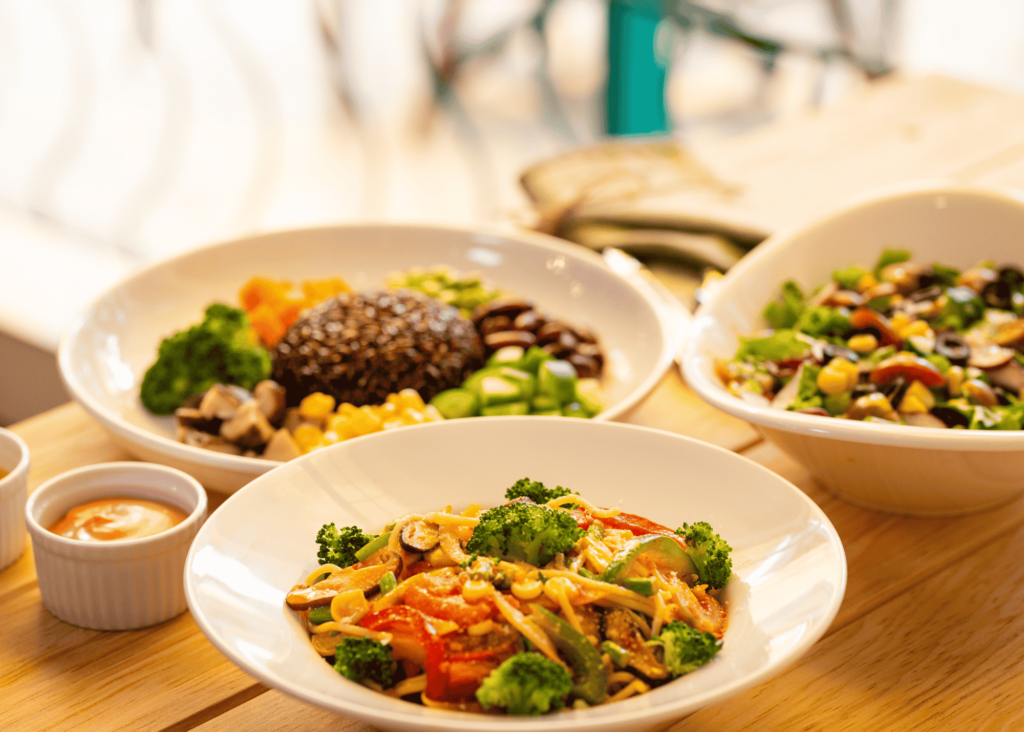
Vegan Recipes for Gut Health: Cooking to Support the Microbiome Sometimes the body asks for quiet and not just in our routines, but in the way we nourish ourselves. When digestion feels heavy, bloated, sluggish, or unsettled, turning toward vegan recipes for gut health is less about following a trend and more about offering the gut something softer, cleaner, and deeply supportive. Your microbiome is the community of beneficial bacteria in your digestive tract — responds to what you eat every single day. When meals are colourful, plant-rich, and gently cooked, the gut begins to feel safe again. Energy steadies. Mood softens. Sleep improves. The body stops fighting and slowly returns to balance. And the wonderful part? Gut-friendly eating doesn’t have to feel restrictive, complicated, or boring. It can be warm bowls, comforting soups, creamy porridges, and flavourful stews — made with intention, love, and simple ingredients. Recipes to Support a Happier Microbiome Here are some simple, soothing recipes that support digestion 1. Warm Quinoa Bowl with Roasted Vegetables and Tahin Quinoa is light yet nourishing, roasted vegetables provide gentle fibre, and tahini adds healthy fats that help the digestive system feel grounded. This meal supports gut bacteria without overwhelming the stomach. Ingredients 1 cup quinoa, rinsed 1 cup pumpkin or sweet potato, cubed 1 carrot, sliced 1 zucchini, chopped A handful of spinach leaves 1 tablespoon olive oil 2 tablespoons tahini Juice of half a lemon Salt and pepper to taste Method Cook quinoa in water until fluffy and soft. Toss pumpkin, carrot, and zucchini in olive oil and roast until tender and slightly golden. In a bowl, place the quinoa as the base, add roasted vegetables and fresh spinach over the top, then drizzle with tahini mixed gently with lemon juice, salt, and pepper. The warmth softens digestion, and the slow-release fibre supports a calmer gut. 2. Lentil and Vegetable Stew with Ginger Red lentils cook quickly and become soft, reducing strain on digestion. Ginger assists in gas reduction and supports digestive comfort, while vegetables add natural plant fibres. Ingredients 1 cup red lentils 1 onion, finely chopped 1 carrot, diced 1 tomato, chopped A handful of spinach 1 teaspoon grated ginger ½ teaspoon turmeric 1 tablespoon olive or coconut oil Salt and water as needed Method Warm the oil gently in a pot, add onion and ginger, and let them soften. Add turmeric, carrots, tomatoes, and stir until everything becomes fragrant. Rinse the lentils and add them with enough water to cover. Allow the stew to simmer slowly until the lentils break down into a creamy texture, then finish with spinach. This stew becomes almost like a warm hug for the stomach — deeply satisfying without heaviness. 3. Overnight Oats with Seeds and Stewed Apples Oats contain soluble fibre that supports the microbiome, while chia and flax seeds feed beneficial bacteria. Stewed apples are easier to digest than raw ones, making this breakfast soothing. Ingredients ½ cup rolled oats 1 cup plant milk 1 tablespoon chia seeds 1 teaspoon ground flaxseed 1 apple, chopped A pinch of cinnamon A little honey or date syrup if desired Method Mix oats, plant milk, chia seeds, and flax in a jar and leave to rest in the refrigerator overnight. In the morning, gently cook chopped apples with cinnamon until soft and fragrant. Spoon the stewed apples over the cold oats and drizzle with a touch of honey if desired. This creates a balanced breakfast that is nurturing, grounding, and gentle on the gut. 4. Pumpkin Soup with Coconut and Turmeric Pumpkin is soothing on digestion, coconut offers healthy fats, and turmeric calms inflammation and creating a beautifully balanced, nurturing meal. Ingredients 2 cups pumpkin cubes 1 small onion 1 cup coconut milk 1 teaspoon turmeric A little olive oil Salt and water as needed Method Sauté the onion in a little oil until soft, then add pumpkin, turmeric, and enough water to cover. Allow it to simmer until the pumpkin becomes tender. Blend until smooth, return to the pot, and stir in coconut milk. The result is creamy yet light — deeply satisfying without being heavy. 5. Chickpea and Greens Stir-Fry Well-cooked chickpeas provide plant protein and fibre, while leafy greens support detox processes and healthy bowel movements. Ingredients 1 cup cooked chickpeas 1 cup spinach or kale 1 small onion 1 clove garlic 1 teaspoon cumin Olive oil, salt, pepper Method Warm oil in a pan, soften the onion and garlic gently, then add cumin and chickpeas. Stir until they absorb the flavours, then fold in spinach until it wilts. Serve over rice or quinoa. Simple, grounding, and deeply nourishing. As you try these vegan recipes for gut health, notice how your body feels rather than only how the food tastes. Some meals may feel light and energising. Others may feel grounding and comforting. The goal is not perfection, it is relationship. Each bowl, each sip, each bite becomes a quiet way of asking your body, “What helps you feel safe?” Over time, your microbiome learns, your digestion settles, and eating becomes less about rules and more about listening. Nourishing Your Gut Is an Ongoing Conversation Healing the gut does not happen all at once. It unfolds gently with curiosity and consistency. Some days you will choose colourful, plant-rich meals. Other days life will feel rushed and imperfect. Both are human. What truly matters is learning to return, again and again, to foods that make your body feel supported and alive. When you nourish your gut, you are not only feeding bacteria. You are supporting mood, immunity, clarity, and emotional steadiness. You are creating a home inside yourself that feels calm. If you want to explore this journey more deeply, the EatWell Retreat at Azuska offers guidance, cooking experiences, mindful nutrition sessions, and compassionate education designed to help you understand how food becomes medicine for your unique body. Here, you don’t just learn recipes  you learn how to listen to your gut and it’s needs Because when your

men’s mental health awareness
Blog

Men & The Silent Overdrive State: When Responsibility Trains the Nervous System to Stay Alert

Men & The Silent Overdrive State: When Responsibility Trains the Nervous System to Stay Alert For many men, stress doesn’t appear as visible distress. Instead, it shows up as focus, endurance, composure, and the ability to keep functioning, even when the body is deeply tired. Responsibility becomes a constant background signal to provide, stay steady, not lose control, and keep moving forward. Over time, this rhythm quietly trains the nervous system to remain switched on alert, tense, and ready, as though life is always asking for more. This isn’t weakness, nor is it emotional suppression. It is the body doing exactly what it has learned to do: protect, perform, and hold everything together, even when that effort begins to live in the muscles, breath, heart, and sleep How responsibility trains the nervous system into overdrive: Responsibility, when carried for years without space to pause, quietly trains the nervous system into overdrive. The sympathetic system, the part designed for “stay alert, keep going, don’t stop yet” — becomes the default setting. What begins as short-term coping slowly turns into a long-term habit of endurance and control. Instead of signalling distress, the body learns to adapt to pressure, to function through it, and to normalise tension as strength. This survival mode becomes a learned physiological state, not loud, not dramatic just a quiet readiness to handle everything. In this space, strength is expressed through coping rather than expression, and the body holds what the mind never speaks. When stress moves from emotion to physiology When stress is carried quietly for too long, it stops feeling emotional and starts living inside the body and it comes out in the forms of: Shallow breathing with a tight jaw or chest Muscle tension across the shoulders and neck Fatigue, even though sleep doesn’t feel refreshing A racing mind that keeps scanning and preparing Irritability or sometimes emotional numbness Men often miss the early warning signs because the body slowly learns to tolerate fatigue and discomfort. What begins as tiredness becomes “normal.” Productivity then starts to mask anxiety, as long as work is getting done, nothing feels “wrong.” Irritability, withdrawal, or emotional distance are brushed off as mood changes rather than signals of overwhelm. Over time, this creates a pattern of functioning burnout, where life continues on the surface while the nervous system stays overloaded underneath often coped with through constant busyness, distraction, or substances rather than true rest or support. Long-Term Physiological Effects of Staying in Overdrive When the body lives in quiet overdrive for months or years, stress slowly shifts from “how we feel” to “how we function.” The nervous system stays alert, recovery becomes harder, and the body begins to show signs that it is tired of carrying so much. Long-term effects may look like: Raised blood pressure — the heart works harder than it needs to Poor digestion — bloating, acidity, irregular appetite Persistent muscle tightness — shoulders, neck, jaw constantly braced Inflammation and recurring aches — pain that keeps returning Lowered immunity — frequent colds or slow healing Stubborn fatigue — feeling drained despite “pushing through” These changes are not weakness, they are the body’s way of saying, “I need rest, safety, and support.” Reaching out for support often feels harder than carrying the weight alone. For many men, vulnerability is unfamiliar territory as it can feel risky, exposed, or “out of control.” The instinct to protect the family, maintain stability, and stay composed creates an internal rule: handle it yourself. Beneath that silence is not pride, but a nervous system trying to stay safe, afraid that if emotions open up, everything might spill over at once. Nervous System Care — Healing Through the Body First When the nervous system has lived in “overdrive” for too long, talking alone is rarely enough. The body needs experiences of safety, softness, and slowness before the mind can relax. Healing begins not by forcing change, but by gently teaching the body that it no longer has to stay braced or alert all the time. Supportive ways to calm and retrain the nervous system include: Breathwork and slow rhythm practices Slow, steady breathing signals to the brain that danger has passed. Over time, this helps shift the body out of stress mode and into a calmer, restorative state. Muscle releasing and grounding stillness Gentle techniques that relax tight muscles — especially in the jaw, shoulders, and back that remind the body that it is safe to soften and let go of tension. Gentle movement Practices like stretching, yoga, or slow walking allow stress energy stored in the body to move out gradually, without pushing or strain. Body-based relaxation therapies Approaches such as massage, restorative bodywork, or guided relaxation help the nervous system reset, creating a deep sense of safety and rest from within. A Retreat That Helps You Truly Unwind At the Azuska De-Stress Retreat, nervous system reset happens gently, through breathwork, soothing therapies, mindful movement, and deep rest. Instead of forcing calm, the body is invited to feel safe again, soften, and remember what true relaxation feels like. Disclaimer: Our content is not intended to provide medical advice or diagnosis of individual problems or circumstances, nor should it be implied that we are a substitute for professional medical advice. Users /readers are always advised to consult their Healthcare Professional prior to starting any new remedy, therapy or treatment. Azuska– Goa accepts no liability in the event you, a user of our website and a reader of this article, suffers a loss in any way as a result of reliance upon or inappropriate application of the information hosted on our website. PrevPrevious NextNext

honey for immunity
Blog

Honey for Immunity: How It Supports the Body’s Defense System

Honey for Immunity: How It Supports the Body’s Defense System We know honey as something sweet on toast, in tea, or drizzled over warm food. Yet across cultures and centuries, honey has been trusted not just as food, but as comfort, medicine, and nourishment. Honey supports the immune system by calming inflammation, nurturing the gut, and protecting our cells from stress. In Ayurveda, honey is considered Rasayana, a nourishment that rejuvenates the body when used wisely. Rather than being treated as just a sweetener, it is seen as a supportive companion for digestion, helping to strengthen Agni – the digestive fire, carry healing herbs deeper into the tissues, and ease cough, dryness, and seasonal discomfort. Traditionally, honey is combined with tulsi, turmeric, ginger, or herbal teas and always added when the liquid is warm, not hot, so its natural enzymes and qualities remain intact. It is a beautiful meeting of wisdom and simplicity, nature offering support in the gentlest way What Makes Honey Special? Honey is a gift shaped slowly by bees and nature. Inside each golden spoon lies a combination of elements that make it uniquely supportive for health: Natural antioxidants such as polyphenols and flavonoids protect cells from damage Mild antibacterial qualities help discourage harmful microbes Enzymes created by bees support digestion and absorption Trace minerals and vitamins nourish gently rather than aggressively Nothing about honey is harsh. Its strength lies in being subtle, steady, and soothing. Honey and the Immune System How honey supports the immune system 1. Supports the gut microbiome Almost 70 percent of immunity lives in the gut. Honey gently feeds beneficial bacteria, helping the gut maintain balance. A healthier gut leads to a calmer, more responsive immune system. 2. Soothes the throat and reduces irritation A spoon of honey can coat the throat, ease dryness, and comfort inflamed tissues. It doesn’t suppress the body — it supports natural healing. 3. Natural antibacterial and wound-soothing qualities Certain varieties, especially raw and Manuka honey, have been used on minor wounds and burns to support healing under professional guidance. Honey creates a protective environment while skin repairs itself. 4. Helps fight free radicals Daily stress, pollution, and processed foods increase oxidative damage. Honey’s antioxidants gently support cellular defense and resilience over time. Best Ways to Use Honey for Immune Support Think gentle, not excessive. Some nourishing ways include: Warm water with lemon and honey in the morning Turmeric mixed with honey as a calming paste Ginger or tulsi tea sweetened with honey once slightly cooled A small spoon before bed for throat comfort Honey Works Best Alongside Daily Lifestyle Habits Honey supports the immune system gently, but it cannot replace the foundations of well-being. Its benefits deepen when it sits alongside daily practices like restful sleep, nourishing meals, steady hydration, regular movement, emotional ease, and thoughtful stress care. When we combine honey with a lifestyle that honours the body, healing becomes a partnership, shaped not only by what we consume, but also by how we live and how we feel each day. A Gentle Path to Inner Strength at Azuska If you’re exploring how immunity can be nourished not only through what you eat, but also through daily rhythm, rest, and emotional balance, the Ayurveda Retreat at Azuska Goa offers a warm and supportive space to reconnect with yourself. Within this retreat, honey becomes part of a wider healing tapestry — blending Ayurvedic meals, herbal therapies, mindful rituals, and practical learning that continues to guide you long after you return home. Here, immunity grows quietly, through consistency, awareness, and compassionate self-care. Disclaimer: Our content is not intended to provide medical advice or diagnosis of individual problems or circumstances, nor should it be implied that we are a substitute for professional medical advice. Users /readers are always advised to consult their Healthcare Professional prior to starting any new remedy, therapy or treatment. Azuska– Goa accepts no liability in the event you, a user of our website and a reader of this article, suffers a loss in any way as a result of reliance upon or inappropriate application of the information hosted on our website. PrevPrevious

emotional cleanse
Blog

Letting Go: The Emotional Cleanse Your New Year Truly Needs

Letting Go: The Emotional Cleanse Your New Year Truly Needs Every January, we set resolutions, chase new plans, and promise fresh beginnings. Yet quietly beneath those intentions, many of us carry emotional residue from the year before. That emotional cleanse we deeply need rarely makes it to our to-do list. The emotional cleanse we speak about is not dramatic or forceful. It is the gentle process of letting go emotionally and releasing the stress we stored in our bodies, the stories we replay in our minds, and the expectations that never gave us room to breathe. Before adding more into our lives, we first make space. Only then can the new year truly feel new. What “Emotional Residue” Really Means Emotional residue forms when experiences, conversations, disappointments, pressure, and stress never get fully processed. Instead of fading, they quietly settle into the body and mind. The body remembers, the mind keeps looping old thoughts, and the heart begins to feel heavy without always knowing why. This unresolved emotional weight may show up as tightness in the jaw or shoulders, broken sleep or restless dreams, fatigue that lingers even after rest, or a feeling of being easily overwhelmed by small things. There is nothing wrong with you when this happens. This is simply how human beings protect themselves when there hasn’t yet been enough space, safety, or time to truly feel and release. Why Letting Go Is So Difficult Letting go sounds simple, yet emotionally it can feel impossible. We don’t hold on because we enjoy the heaviness. We hold on because some part of us believes it is safer that way. Sometimes it is fear of losing control, sometimes our identity is tied to old roles, sometimes the mind keeps replaying conversations hoping for a different ending, and sometimes guilt whispers that choosing ourselves is selfish. Over time, the nervous system becomes so accustomed to tension that it mistakes stress for normalcy. Letting go, then, requires compassion before change and a soft invitation rather than a demand. Emotional release is not mystical; it is deeply human. When we breathe slowly, journal honestly, rest intentionally, or allow tears to flow, the nervous system begins to reset. The body no longer feels the need to stay guarded, the mind stops rehearsing old stories, the breath steadies, and emotions finally have a safe place to land. This isn’t weakness, it is a natural way the body finds its way back to safety and peace. Practical Emotional Cleanse Rituals Here are simple, safe practices to gently release emotional buildup and create space for renewal. Reflection journaling Ask yourself, slowly and honestly: “What do I need to release from this year?” Let the words come without judgment. Clarity arrives through expression. Body scan with breath Lie or sit comfortably. Notice where the body is tight. Soften your breath into those places. Release without forcing. Burn and release ritual Write what you’re ready to let go of, then safely tear or burn the paper. It creates symbolic closure the mind deeply understands. Boundaries reset Give yourself permission to say no to what drains you. Letting go includes letting go of emotional overcommitment. Forgiveness Not forgetting. Not excusing. Simply saying: “I no longer choose to carry this pain every day.” Digital and mental detox Step away from constant noise. Silence creates space for truth to surface. Gratitude and closure End your reflection by naming what stayed beautiful. Gratitude anchors the heart in strength, not scarcity. Therapy, guided emotional healing, breathwork, and mindfulness sessions provide safe space and skilled guidance. Reaching out is not weakness. It is self-care. An Invitation to the Mindfulness Retreat at Azuska If you’re ready to gently ease the emotional weight you’ve been carrying, the Mindfulness Retreat at Azuska offers a calm and nurturing space to begin. Through guided meditation, breath awareness, reflective practices, emotional healing tools, and deeply restful routines, the retreat helps you reconnect with yourself in a grounded and compassionate way. Letting go begins to feel safe. Presence returns naturally. Life starts to feel lighter, softer, and more honest not, through effort, but through space, stillness, and gentle self-awareness. Disclaimer: Our content is not intended to provide medical advice or diagnosis of individual problems or circumstances, nor should it be implied that we are a substitute for professional medical advice. Users /readers are always advised to consult their Healthcare Professional prior to starting any new remedy, therapy or treatment. Azuska– Goa accepts no liability in the event you, a user of our website and a reader of this article, suffers a loss in any way as a result of reliance upon or inappropriate application of the information hosted on our website. PrevPrevious

slow movement for anxious sleepers
Blog

Slow Movement for Anxious Sleepers: How Stretching Rewires the Stress Response

Slow Movement for Anxious Sleepers: How Stretching Rewires the Stress Response For many people, sleep doesn’t disappear because the body isn’t tired — it disappears because the nervous system never truly feels safe enough to rest. Anxiety follows us into the night in quiet ways: a racing mind that won’t slow, shoulders that stay lifted, breath that remains shallow, a body that feels alert even in the dark. When stress lingers beneath the surface, the experience of sleep becomes fragile, interrupted, and hard to trust. Anxiety is not only a mental state; it is deeply physiological. Throughout the day, stress hormones like cortisol and adrenaline keep you focused and functional. But when these hormones remain elevated into the evening, the body stays in survival mode. Muscles hold tension. The breath stays guarded. The nervous system remains hyper-vigilant. Even when exhaustion is present, the body resists letting go. For many anxious sleepers, this creates a familiar loop — tiredness without rest, fatigue without renewal. This is where slow movement for anxious sleepers offers a different kind of support. Rather than pushing the body or forcing relaxation, slow movement gently rewires the stress response. It teaches the nervous system that it is safe to soften, release, and settle. Through deliberate, unhurried stretching, the body receives a message it has been waiting for all day: you are allowed to rest now. How Slow Stretching Rewires the Stress Response Slow, mindful stretching activates the parasympathetic nervous system — the part responsible for rest, repair, and deep sleep. Unlike intense workouts that stimulate alertness, slow movement sends a very different message: you are no longer under threat. As muscles release gradually, nerve endings calm. Breathing deepens naturally. Brain activity shifts from high-frequency thinking to slower, more restorative rhythms. Over time, slow movement for anxious sleepers helps retrain the body to associate evening hours with safety rather than vigilance. Gentle Movements That Support Restful Sleep Slow movement does not need to be long or complicated to be effective. What matters is pace, awareness, and breath. Supportive practices for anxious sleepers include: Gentle neck, shoulder, and hip stretches held without strain These areas often hold the day’s unspoken stress. Slow, supported stretches release protective tension without triggering the nervous system. When the body is not pushed, it begins to feel safe enough to soften — a key signal for sleep readiness. Slow spinal movements that unwind stored tension The spine carries emotional and physical load. Gentle spinal rolls, seated twists, or slow cat–cow movements help release compression along the nervous system, improving circulation and allowing energy to move instead of staying trapped. Floor-based stretches that encourage grounding Practices done close to the ground help anxious sleepers feel supported and contained. Lying or seated floor stretches send a message of stability to the body, reducing restlessness and helping the nervous system shift out of alert mode. Conscious breathing woven into each movement Breath becomes the bridge between movement and calm. Slow, intentional breathing during stretches lengthens the exhale, calming the heart rate and signaling safety. Over time, the body begins to associate breath with rest rather than vigilance. Pauses between stretches to let the nervous system settle Stillness between movements is where regulation deepens. These pauses allow the nervous system to integrate release, preventing overstimulation and helping the body fully register that it is no longer under pressure. When Sleep Becomes a Relationship, Not a Battle Sleep improves not when you force it, but when you create the conditions for it to return. Slow stretching before bed becomes a ritual of listening rather than fixing. Over time, anxious sleepers often notice fewer racing thoughts, less nighttime waking, and deeper, more nourishing rest. The body remembers what safety feels like and sleep follows. An Invitation at Azuska Goa If anxious sleep has become a pattern you’re ready to release, the De-Stress & Relaxation Retreat at Azuska Goa offers a gentle, supportive reset. Through slow therapeutic movement, breathwork, nervous system regulation, restorative yoga, ayurvedic therapies, and guided relaxation, sleep is restored naturally — through safety, rhythm, and care — allowing the body to soften, the mind to settle, and rest to feel trustworthy again. Disclaimer: Our content is not intended to provide medical advice or diagnosis of individual problems or circumstances, nor should it be implied that we are a substitute for professional medical advice. Users /readers are always advised to consult their Healthcare Professional prior to starting any new remedy, therapy or treatment. Azuska– Goa accepts no liability in the event you, a user of our website and a reader of this article, suffers a loss in any way as a result of reliance upon or inappropriate application of the information hosted on our website. PrevPrevious

emotional hunger vs body hunger
Blog

Why We Overeat During the Holidays: Emotional Hunger vs Body Hunger

Why We Overeat During the Holidays: Emotional Hunger vs Body Hunger During the holidays, many people notice themselves eating more than usual, reaching for food without clear physical hunger, or feeling unsettled after meals that were meant to feel comforting. Understanding the difference between emotional hunger vs body hunger helps make sense of this pattern not as a lack of discipline, but as a natural response to a season filled with stimulation. Festive gatherings, shifting routines, emotional memories, and social expectations create a richer inner and outer environment where food becomes more than nourishment it becomes connection, tradition, and reassurance. In this fullness, hunger cues can blur, and eating may happen faster or with less awareness. Gently recognising the difference between emotional hunger and body hunger brings softness back to the experience of eating, allowing it to feel calmer, kinder, and more conscious rather than reactive or overwhelming. What Is Body Hunger? Body hunger is the body’s biological request for fuel. It builds gradually and speaks through physical cues — low energy, stomach sensations, hunger growl, lightheadedness, or a steady sense that it’s time to eat. When body hunger is honoured, eating brings satisfaction, and fullness naturally signals when to stop. Body hunger is neutral. It doesn’t rush or demand specific foods. It simply asks to be nourished. Recognising body hunger helps you trust your body’s wisdom, even during busy or festive times. What Is Emotional Hunger? Emotional hunger arises not from the body’s need for energy, but from the nervous system’s need for comfort, safety, or regulation. It often arrives suddenly and craves particular foods — usually sweet, rich, familiar, or nostalgic. Emotional hunger does not fade with fullness because it is not asking for food alone. During the holidays, emotional hunger may be triggered by stress, loneliness, family dynamics, emotional memories, fatigue, or the pressure to feel joyful. Food becomes a pause, a distraction, or a way to feel held when emotions feel close to the surface. Why the Holidays Make the Difference Harder to Sense Festive seasons naturally disrupt rhythm. Sleep patterns shift. Meals become irregular. Sugar, alcohol, and stimulation increase. Emotional expectations rise, while quiet space often shrinks. In this environment, the nervous system can stay slightly activated. When that happens, emotional hunger can easily masquerade as physical hunger. Eating becomes faster, more distracted, and less attuned to fullness. This is why overeating during the holidays is so common — and why awareness, not restraint, is the most helpful response. Before eating, gently asking “What does my body need right now?” can shift the experience. Sometimes the answer is nourishment. Other times, it might be rest, warmth, reassurance, movement, or simply slowing down. This moment of listening turns eating into a relationship rather than a reaction. Supportive Ways to Honour Both Hungers Eating mindfully during the holidays does not mean denying pleasure or tradition. It means creating enough awareness for choice to exist. Gentle supports include: Choosing warm, balanced meals that steady digestion and blood sugar Eating slowly enough to notice fullness cues Pausing before seconds to check if hunger is physical or emotional Creating non-food comforts such as quiet walks, breathwork, or warmth Letting go of guilt, which often intensifies emotional hunger When emotional hunger is met with compassion instead of judgment, it often softens on its own. The goal is not to eat perfectly. It is to eat consciously. When you understand the difference between both, food no longer carries shame or urgency. It becomes information, nourishment, and sometimes comfort — without excess weight afterward. Awareness restores balance not by force, but by understanding. An Invitation to Azuska Goa If the festive season has left you feeling disconnected from your body’s signals, the EatWell Retreat at Azuska Goa offers a supportive space to reconnect. Through mindful nutrition, emotional awareness, and gentle lifestyle practices, you learn to recognise true hunger — physical and emotional — with clarity and care. Here, nourishment becomes a conversation with your body, not a battle — supporting balance long after the holidays end. Disclaimer: Our content is not intended to provide medical advice or diagnosis of individual problems or circumstances, nor should it be implied that we are a substitute for professional medical advice. Users /readers are always advised to consult their Healthcare Professional prior to starting any new remedy, therapy or treatment. Azuska– Goa accepts no liability in the event you, a user of our website and a reader of this article, suffers a loss in any way as a result of reliance upon or inappropriate application of the information hosted on our website. PrevPrevious

mindful Christmas
Blog

A Mindful Christmas: How to Stay Present When Life Gets Loud

A Mindful Christmas: How to Stay Present When Life Gets Loud A mindful Christmas isn’t about silent rooms or perfectly peaceful days. It’s about staying close to yourself when everything around you feels full. The season that promises warmth and joy often arrives carrying crowded calendars, emotional expectations, old family patterns, and an unspoken pressure to make every moment meaningful. In the middle of it all, something subtle happens — presence thins. Meals are eaten quickly. Conversations overlap. Beautiful moments pass without ever landing. Choosing a mindful Christmas is not a rule you follow. It’s a gentle decision you make again and again  to meet the season without losing yourself in it. It’s remembering that celebration doesn’t need exhaustion to be real, and love doesn’t require self-sacrifice. Why Christmas Can Feel So Heavy If Christmas feels overwhelming, it’s not because you’re doing it wrong. It’s because your nervous system is responding honestly. Extra noise, richer food, disrupted sleep, emotional memories, unresolved relationships — they all arrive at once. The body stays alert, scanning for what’s next. The mind keeps running, even in moments meant to feel joyful. A mindful Christmas begins when you stop judging this response and start listening to it. Your body isn’t resisting joy — it’s asking for safety, rhythm, and moments to breathe so joy can actually be felt. Small Ways to Come Back to Yourself Presence doesn’t ask for grand rituals or perfect discipline. It grows quietly, through small acts of care that tell your body it’s allowed to slow down. Here are our top 6 ways to support a mindful Christmas this year: Pausing before you enter a gathering, taking one full breath to arrive in your body Eating slowly enough to notice warmth, taste, and satisfaction Stepping outside when the room feels full, letting fresh air reset your senses Holding something grounding — the floor beneath your feet, a chair, a warm cup Letting yourself leave when your energy fades, without explaining or apologising These moments don’t pull you away from celebration. They help you stay whole inside it. When life gets loud, grounding becomes an act of kindness. It brings you back into your body, reminding you that you are safe, supported, and allowed to soften — even in the middle of noise and expectation. A mindful Christmas isn’t about holding everyone together. It’s about staying anchored within yourself. From that place, emotions settle, reactions slow, and connection feels sincere rather than strained. Affirmations to Carry With You Sometimes the gentlest support comes through quiet reminders. Let these words meet you whenever the season feels overwhelming: “I am allowed to move at my own pace” “I can pause without missing anything that matters” “I choose presence over pressure” “I don’t need to do more to be worthy of love” “I am safe, supported, and here” Let them soften the edges of the day. A Soft Takeaway A mindful Christmas doesn’t become calmer because the world changes. It becomes calmer because you do. As your breath slows, expectations soften, and boundaries are honoured, the season opens. Laughter feels warmer. Food feels nourishing. Conversations feel real. You don’t need to escape celebration to stay present. You only need to keep returning — gently — to yourself. May this festive season hold you with warmth, ease, and quiet moments of joy. Wishing you a Christmas that feels light in the body, peaceful in the heart, and deeply your own. An Invitation to Azuska Goa If this festive season has left your nervous system tired or overstretched, the Mindfulness Retreat offers a place to rest.Here, through meditation, breathwork, gentle movement, Ayurvedic therapies, and mindful living practices, the body slowly remembers ease. Presence isn’t something you work toward — it returns naturally when you are held in the right environment.At Azuska, mindfulness isn’t seasonal. It’s a way of living that supports you long after the lights dim and the celebrations fade. Disclaimer: Our content is not intended to provide medical advice or diagnosis of individual problems or circumstances, nor should it be implied that we are a substitute for professional medical advice. Users /readers are always advised to consult their Healthcare Professional prior to starting any new remedy, therapy or treatment. Azuska– Goa accepts no liability in the event you, a user of our website and a reader of this article, suffers a loss in any way as a result of reliance upon or inappropriate application of the information hosted on our website. PrevPrevious

heart-healthy living to improve cholesterol
Blog

Heart-Healthy Living: How to Improve Cholesterol Through Routine Habits

Heart-Healthy Living: How to Improve Cholesterol Through Routine Habits Heart-healthy living to improve cholesterol is not about sudden restrictions or fear driven changes. It begins quietly, through daily choices that either burden the heart or support it. Often, elevated cholesterol is not a crisis waiting to happen. It is a message. A reminder that the body is asking for steadier rhythms, calmer nerves, and nourishment that flows rather than clogs. At Azuska, we view cholesterol not as an enemy, but as a reflection of lifestyle patterns, how you eat, move, rest, and respond to stress. When these patterns shift gently, the heart responds with balance. Understanding Cholesterol Beyond Numbers Cholesterol is essential for hormone production, cell repair, and brain health. The issue arises when imbalance sets in, often due to chronic stress, sedentary habits, poor sleep, inflammation, or highly processed diets. Ayurveda teaches that when digestion weakens and metabolic waste accumulates, circulation becomes sluggish. Over time, this stagnation shows up as elevated cholesterol levels. Heart-healthy living to improve cholesterol focuses on restoring flow, in digestion, blood circulation, and emotional regulation. When the body feels supported, it naturally adjusts. Daily Habits That Support Healthy Cholesterol Levels The most powerful changes are often the simplest. Consistent routines signal safety to the nervous system and efficiency to metabolism. Heart supportive habits include: Choosing warm, freshly prepared meals that aid digestion and reduce inflammation Including healthy fats like ghee, olive oil, nuts, and seeds to improve lipid balance Moving daily through walking, gentle yoga, or stretching to support circulation Maintaining steady sleep and meal timings to stabilise metabolic rhythms Practicing stress regulation through breathwork or quiet reflection These habits do not just lower cholesterol. They soften the entire system, allowing the heart to function with less strain. The Role of Stress in Cholesterol Imbalance Chronic stress elevates cortisol, which directly impacts cholesterol metabolism. When the nervous system remains in survival mode, the body prioritises immediate energy over repair. In this state, fat metabolism becomes inefficient and inflammation rises. Heart-healthy living to improve cholesterol must therefore include emotional and nervous system care. When stress reduces, the body becomes more responsive to dietary and movement changes, making healing sustainable rather than forced. Rather than eliminating entire food groups, Ayurvedic wisdom emphasises balance and timing. Warm vegetables, whole grains, legumes, and spices such as turmeric, cumin, coriander, and garlic help cleanse channels and support lipid metabolism. Eating slowly and mindfully improves digestion, a key factor in cholesterol regulation. Food becomes medicine when it is eaten with awareness, warmth, and consistency. A Soft Takeaway Heart-healthy living to improve cholesterol is not about becoming perfect. It is about becoming present. Each steady habit, a walk, a warm meal, a calmer breath, restores trust between you and your body. Over time, numbers shift because the inner environment has changed. Your heart responds best to rhythm, not pressure. An Invitation to Azuska Goa If you are seeking deeper, guided support for heart health and metabolic balance, the Heartbeat Management Retreat offers a nurturing path forward.This retreat integrates Ayurvedic nutrition, therapeutic treatments, gentle movement, breathwork, stress regulation practices, and personalised assessments to support cholesterol balance and cardiovascular health holistically. Here, healing is not rushed. It unfolds through education, care, and sustainable lifestyle shifts. At Azuska, heart health is not treated in isolation. It is supported through balance, physical, physiological, and emotional. So, wellness lasts long after you return home. Disclaimer: Our content is not intended to provide medical advice or diagnosis of individual problems or circumstances, nor should it be implied that we are a substitute for professional medical advice. Users /readers are always advised to consult their Healthcare Professional prior to starting any new remedy, therapy or treatment. Azuska– Goa accepts no liability in the event you, a user of our website and a reader of this article, suffers a loss in any way as a result of reliance upon or inappropriate application of the information hosted on our website. PrevPrevious